We are creating a store. Note that this is a demo store for testing purposes — no orders shall be fulfilled.
Complete Natural Protein Sources for Kenyan Vegetarians – Including an Unexpected Superfood
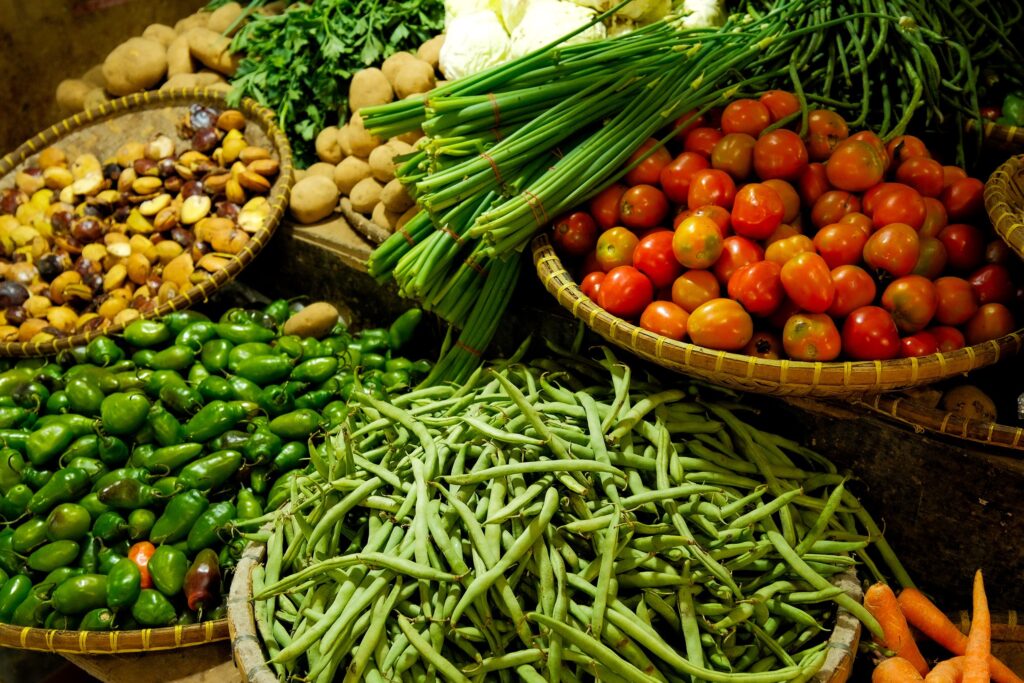
If you are wondering about the meaning of vegetarian, it simply means a diet that excludes meat, fish, and poultry. But one of the biggest concerns for vegetarians is getting enough protein. The good news is that there are plenty of high protein vegetarian foods available in Kenya — from traditional staples to modern superfoods.
Table of Contents
ToggleProtein is essential for building and repairing tissues, supporting immune function, and maintaining healthy muscles and bones. The challenge is finding vegetarian protein sources that provide all the essential amino acids your body needs.
This guide covers the best vegetarian protein sources in Kenya, including traditional foods, plant-based options, and an unexpected superfood — wheatgrass — that packs a complete protein punch.
What Is a Complete Protein?
To understand vegetarian protein, you first need to know what makes a protein “complete.” Proteins are made up of smaller building blocks called amino acids. Your body needs 20 different amino acids to function properly. It can produce 11 of them on its own, but the other 9 — called essential amino acids — must come from your diet.
A complete protein contains all 9 essential amino acids in sufficient amounts. Animal products like meat, eggs, and dairy are complete proteins. Most plant proteins are incomplete, meaning they lack one or more essential amino acids.
However, by eating a variety of vegetarian protein sources throughout the day, you can easily get all the amino acids your body needs.
High Protein Vegetarian Foods in Kenya
Here are some of the best high protein vegetarian foods available in Kenya, including traditional staples and modern options.
Traditional Kenyan Protein Sources
Beans and Legumes
Beans are a staple in Kenyan diets and an excellent source of vegetarian protein. Common varieties like kidney beans, black beans, and cowpeas provide around 20-25g of protein per cooked cup. They are also rich in fibre and iron, making them a nutritious choice for any high protein vegetarian diet.
Complete protein pairing: While beans are not a complete protein on their own (they are low in methionine), they are rich in lysine. When paired with grains like rice, ugali, or whole-wheat bread — which are rich in methionine but low in lysine — they create a complete protein profile. This is why the traditional Kenyan combination of beans and ugali is so effective.
Nutritional profile:
High in fibre — Beans are an excellent source of soluble and insoluble fibre. A single cup of cooked beans provides 15-19g of fibre, which supports digestive health, helps regulate blood sugar, and promotes a feeling of fullness.
Rich in iron — Beans are a good source of non-heme iron, which is especially important for vegetarians who do not eat red meat. Pairing beans with Vitamin C-rich foods like tomatoes, lemon juice, or sukuma wiki significantly improves iron absorption.
Low in fat — Beans are naturally low in fat and contain no cholesterol, making them heart-healthy.
Rich in folate and magnesium — These minerals support energy production, nerve function, and overall metabolic health.
What the research says: Studies have confirmed that pulse proteins — including beans — have high nutritional quality and can help improve outcomes in conditions like hypertension and diabetes.
How to use them:
Beans and ugali — the classic Kenyan combination that provides a complete protein profile
Bean stew — with tomatoes, onions, and sukuma wiki
Bean salad — mixed with fresh vegetables and a lemon dressing
Bean soup — hearty and filling, perfect for cold days
Nutritional value (per cooked cup):
| Type | Protein (g) | Fibre (g) | Iron (mg) |
|---|---|---|---|
|
Kidney beans |
15 |
13 |
5.2 |
|
Black beans |
15 |
15 |
3.6 |
|
Cowpeas |
13 |
11 |
4.3 |
Traditional Kenyan connection: Beans are a cornerstone of Kenyan cuisine, often eaten with ugali, rice, or chapati. They are affordable, accessible, and a reliable source of vegetarian protein for families across the country.
Why they matter for vegetarians: For vegetarians looking to build muscle or maintain a healthy weight, beans provide a nutrient-dense, plant-based protein source that supports muscle repair, digestive health, and long-term energy.
Lentils
Lentils are an excellent vegetarian protein source. According to peer-reviewed research, the protein content of lentils ranges from 20.47% to 27.4% depending on the variety and growing conditions. A 2024 review notes that lentil protein concentration typically ranges from 20-30%, with some wild species reaching up to 32.7%. Studies on spray-dried lentil ingredients found a protein content of 22.7%. These studies prove that Lentils are consistently high in protein (20-27%), with some wild species reaching up to 32.7% — making them an excellent vegetarian protein source.
Lentils also provide approximately 21.9% total dietary fibre and are rich in essential minerals like iron (48–109 mg/kg) and zinc (31–65 mg/kg) . A 2018 study of commonly consumed pulses found that cooked lentils contain 6.9 to 9.7g of protein per 100g of cooked product .
What the research says:
A 2024 clinical study found that eating lentils every day for 12 weeks helped lower cholesterol, improved blood sugar control after meals, and reduced inflammation. Another study confirmed that lentils are a rich source of protein, fibre, and minerals, with notable antioxidant properties . Research also shows that lentils contain prebiotic carbohydrates that support gut health .
Nutritional profile (verified):
-
Protein: 20.5% to 27.4% (dry weight)
-
Fibre: Approximately 21.9% total dietary fibre
-
Iron: 48–109 mg/kg
-
Zinc: 31–65 mg/kg
Complete protein pairing: Lentils are low in certain essential amino acids like methionine . Pairing them with grains like rice or wheat creates a complete protein profile.
How to use them:
-
Lentil stew — with tomatoes, onions, and spices
-
Lentil soup — hearty and filling
-
Lentil salad — mixed with fresh vegetables
-
Lentil and rice pilaf — a complete protein combination
-
Red lentil dal — quick to cook and nutritious
Green Grams (Ndengu)
Green grams, also known as mung beans, are a traditional Kenyan food that is highly nutritious and easy to digest. They are a staple in many Kenyan households and are often used in soups, stews, and as a source of plant-based protein.
Protein content: According to a 2023 study, green grams contain 228.7–277.6 g/kg of protein (which is 22.87–27.76% protein) in their dry form . The study found that newly developed varieties showed high protein and dietary fibre content, while local varieties were high in calcium and iron.
Complete protein pairing: Green grams are rich in lysine but low in methionine. Pairing them with grains like rice, ugali, or whole-wheat bread — which are rich in methionine — creates a complete protein profile. This is why the traditional Kenyan combination of ndengu and rice or ugali is so effective.
Nutritional profile (verified):
Protein: 228.7–277.6 g/kg (22.87–27.76%)
Dietary fibre: 118.3–157.9 g/kg (11.83–15.79%)
Carbohydrates: 484.6–535.7 g/kg (48.46–53.57%)
Iron: 40.16–348.79 mg/kg
Calcium: 166.38–340.62 mg/kg
Magnesium: 1506.51–1713.93 mg/kg
Phosphorus: 2716.66–4473.49 mg/kg
Zinc: 27.60–34.35 mg/kg
Copper: 5.95–12.86 mg/kg
Manganese: 8.65–19.47 mg/kg
How much protein is that? The recommended daily protein intake for an average adult is about 0.8g per kilogram of body weight. For a 70kg person, that is around 56g of protein per day. A 100g serving of dry green grams provides 22.87–27.76g of protein, covering up to 40% of a 70kg person’s daily protein requirement. When cooked, the protein per 100g decreases because of water weight, but the total protein remains the same per serving.
HEALTH BENEFITS OF NDENGU:
Gut Health: Green grams contain special fibres that feed the good bacteria in your gut. Studies show they help grow beneficial bacteria like Lactobacillus acidophilus and Bifidobacterium bifidum.
Blood Sugar Control: Green grams have a low glycemic index, meaning they do not cause rapid spikes in blood sugar. They contain natural compounds like vitexin and isovitexin that slow down carbohydrate digestion and help keep blood sugar levels steady.
Heart Health: A 2024 clinical study found that eating mung bean protein daily for six weeks improved antioxidant activity, reduced inflammation, and improved blood vessel function which improve your heart health.
Sprouting Boosts Nutrition: Sprouting green grams increases protein, fibre, and vitamin C while reducing substances that block nutrient absorption, making minerals like iron and zinc more available to your body.
How to use them:
Ndengu stew — a traditional Kenyan dish served with rice or ugali
Green gram soup — hearty and filling
Sprouted green grams — eaten raw in salads or lightly cooked
Green gram flour — can be used to make nutritious porridge or added to other flours
Traditional Kenyan connection: Green grams are a beloved ingredient in Kenyan cuisine. They are affordable, accessible, and a reliable source of vegetarian protein for families across the country. They are also easy to grow in many parts of Kenya, making them a sustainable food source.
Why they matter for vegetarians: For vegetarians looking to build muscle or maintain a healthy weight, green grams provide a nutrient-dense, plant-based protein source that supports muscle repair, digestive health, and long-term energy. Their high iron content also helps prevent anaemia — a common concern for vegetarians.
Uji (Fermented Porridge)
Uji is a traditional Kenyan porridge made from fermented maize, millet, or sorghum flour. It is widely consumed in East Africa as a refreshing drink or weaning food. While not as high in protein as beans, it provides moderate amounts of protein and is rich in B-vitamins and minerals. Adding milk or kefir to uji boosts its protein content significantly.
How fermentation improves uji: The fermentation process, driven by lactic acid bacteria like Lactobacillus plantarum, improves the nutritional quality of uji in several ways:
1. Increases Protein and Starch Digestibility
Fermentation alone improves both protein and starch digestibility without the need for extrusion or other industrial processing . This is because lactic acid bacteria partially hydrolyse storage proteins and carbohydrates during fermentation, breaking them down into more digestible forms .
Research has shown that fermentation improves both protein and starch digestibility in uji, making it easier for the body to absorb nutrients. The improvement in protein digestibility is particularly significant for children and adults who rely on uji as a staple food .
2. Increases Availability of Key Amino Acids
Fermentation increases the content of several essential amino acids — including aspartic acid, glycine, cystine, methionine, tyrosine, and lysine . These amino acids are crucial for protein synthesis, immune function, and overall health.
Lactic acid bacteria, the primary microorganisms in uji fermentation, are fastidious in their amino acid requirements for growth. They work alongside yeasts to hydrolyse storage proteins into peptides and amino acids, increasing their availability .
3. Reduces Tannin Content
Fermentation decreases tannin levels, which are antinutrients that interfere with protein digestibility and mineral absorption. Studies on sorghum fermentation show significant reductions in extractable tannins . In high-tannin cereals, microbial fermentation has been shown to improve protein digestibility, with the greatest increase observed in high-tannin sorghum gruels fermented with a natural starter culture .
Additional research on fermented cereal products confirms that fermentation reduces tannins and increases protein digestibility compared to raw grains . Studies on traditional fermentation of cereals like sorghum and millet show that fermentation effectively lowers antinutrient levels. The reduction in tannins and the increase in protein digestibility from fermentation make uji more nutritious and better absorbed by the body .
HEALTH BENEFITS OF UJI
Supports Digestive Health: The fermentation process produces probiotics that help maintain a healthy gut microbiome. Lactic acid bacteria in fermented uji can help improve digestion and may reduce the risk of diarrhoea, especially in children.
Improves Nutrient Absorption: By reducing antinutrients like tannins, fermentation makes minerals such as iron, zinc, and calcium more available for your body to absorb.
Provides Sustained Energy: Uji is rich in complex carbohydrates that provide slow-release energy, making it a good breakfast option for sustained energy throughout the morning.
Supports Immune Function: The B-vitamins and minerals in uji, combined with the probiotic benefits of fermentation, help support a healthy immune system.
Good for Gut Health: The lactic acid bacteria in fermented uji help maintain a healthy balance of gut bacteria, which is important for overall health and immunity.
Sukuma Wiki and Other Kenyan Greens
Sukuma wiki — the Swahili name means “stretch the week” — is a staple dish in Kenya, typically made from collard greens and served with ugali. These leafy greens are not just affordable and filling; they are also packed with nutrients that make them a valuable part of a vegetarian diet.
NUTRITIONAL PROFILE OF SUKUMA WIKI (COLLARD GREENS)
Collard greens are a nutritional powerhouse, providing a wide range of essential vitamins and minerals. According to the U.S. Department of Agriculture (USDA), a 100g serving of raw collard greens provides 32 calories, 3.02g of protein, 5.42g of carbohydrates (including 4.0g of fibre), and 0.61g of fat .
Fibre: With 4g of fibre per 100g, collard greens are an excellent source of dietary fibre, supporting digestive health and helping you feel full .
Vitamin K: A ½ cup serving of frozen, boiled collard greens provides 530 mcg of vitamin K, which is 442% of the Daily Value. This vitamin is essential for blood clotting and bone health .
Vitamin C: Collard greens provide approximately 35.3mg of vitamin C per 100g, supporting immune function and helping the body absorb iron .
Calcium: With 232 mg of calcium per 100g, collard greens are an excellent plant-based source of this essential mineral for bone health .
Iron: Collard greens provide around 0.5mg of iron per 100g. To support absorption, pair them with vitamin C-rich foods like tomatoes or lemon juice. Collard greens help vegetarians by providing a valuable source of non-heme iron, which can help prevent iron deficiency anaemia.
Lutein and Zeaxanthin: Collard greens contain 4320 mcg of lutein and zeaxanthin per 100g — antioxidants that help fight inflammation and provide protective benefits for eye health.
HEALTH BENEFITS OF SUKUMA WIKI AND AFRICAN LEAFY GREENS
Rich in Antioxidants: African leafy vegetables, including collard greens, are rich in natural antioxidant compounds like vitamin C, carotenoids, and polyphenols. These compounds help protect your cells from damage reduce the risk of chronic diseases. A 2022 study from Kenyatta University found that African indigenous leafy vegetables like Vigna unguiculata (cowpea leaves) contain high levels of β-carotene (186.0 – 243.33 μg/100g), ascorbic acid (27237 – 45410μg/100g), and flavonoids (2084.0 – 2642.3mg/100g), all of which contribute to their antioxidant properties .
Supports Eye Health: Leafy greens like sukuma wiki are packed with carotenoids, particularly lutein and beta-carotene, which are essential for maintaining good vision. The Kenyatta University study found that fresh African leafy vegetables contain significant levels of β-carotene, a precursor to vitamin A.
Aids in Mineral Intake: These greens are a valuable source of essential minerals like calcium, iron, and magnesium. A study from western Kenya found that most traditional leafy vegetables contain higher levels of calcium, iron, and zinc compared to introduced varieties like spinach and cabbage. Because traditional greens like sukuma wiki are rich in iron and calcium, they are a valuable way for vegetarians to get these important minerals without relying on animal products.
OTHER KENYAN LEAFY GREENS
Beyond sukuma wiki, Kenya is home to a variety of other nutritious African leafy vegetables. A 2022 study from Kenyatta University analysed the nutritional composition of three indigenous leafy vegetables grown in Nairobi: Amaranthus hybridus (amaranth), Solanum nigrum (African nightshade), and Vigna unguiculata (cowpea leaves). The study found these vegetables contained :
Protein: 21.66 – 31.59%
Fibre: 25.00 – 37.25%
Calcium: 2.44 – 3.03%
Iron: 101.0 – 220.00 μg.100g
Zinc: 25.33 – 44.33 μg.100g
A 2024 study on indigenous vegetables from Kisii County confirmed that Solanum nigrum (African nightshade) and Gynandropsis gynandra (spider plant) are rich sources of essential minerals. The study found that these vegetables provide substantial amounts of iron and copper — useful in managing pernicious anaemia — as well as zinc, manganese, magnesium, and chromium, which can support diabetes management. These findings confirm that African indigenous leafy vegetables are rich in protein, fibre, and essential minerals, making them a key part of a healthy diet and contributing to food security in the region.
HOW TO ADD THEM TO YOUR DIET
Sukuma Wiki: Sauté collard greens or kale with onions, tomatoes, and spices. Serve as a side dish with ugali, rice, or whole grains.
Other Greens: Use African nightshade or amaranth leaves in stews, soups, or as a simple side dish.
Add Protein: For a more substantial meal, combine sukuma wiki with beans, lentils, or kefir to create a complete protein profile.
Kefir – A Probiotic Vegetarian Protein Powerhouse
When Kenyans think of vegetarian protein, the mind often jumps to beans, lentils, or mukimo. But there is a fermented, creamy drink quietly outperforming many of these staples in both digestibility and nutrient density: kefir. Often confused with regular yoghurt or maziwa mala, kefir is actually a complex symbiotic culture of bacteria and yeasts (known as a SCOBY) that ferments milk into a tart, effervescent probiotic beverage.
For the Kenyan vegetarian, kefir is not just a gut-health fad; it is a complete vegetarian protein source. Unlike plant-based proteins that often lack one or more essential amino acids (making them “incomplete”), kefir contains all nine essential amino acids your body cannot produce on its own. A standard 240ml glass of plain kefir provides approximately 8–10 grams of high-quality vegetarian protein, which is comparable to a serving of githeri but with a significantly higher biological value—meaning your muscles and tissues can actually absorb and utilize it more efficiently.
The Science of Fermentation: Unlocking More Protein
The Unexpected Kenyan Connection
While kefir originated in the Caucasus Mountains, it aligns beautifully with Kenya’s rich dairy culture. In many rural households, fermented milk—traditionally known as maziwa mala or amabere amaruranu—has been a dietary staple for generations. While traditional mala is naturally fermented and contains some probiotics, commercial kefir takes this a step further by introducing a wider variety of bacterial strains, resulting in a more potent probiotic punch combined with a reliable vegetarian protein count.
Some Health Benefits of Kefir
Beyond being a quality vegetarian protein source, kefir offers several science-backed health benefits that make it a standout addition to any Kenyan diet. Here are three key benefits supported by research
1. Supports Blood Sugar Regulation
Regular kefir consumption has been shown to improve glycemic control. A 2025 systematic review and meta-analysis of 24 interventional studies found that kefir intake significantly reduced fasting blood glucose and HOMA-IR (a measure of insulin resistance), indicating improved insulin sensitivity . This makes kefir particularly valuable for Kenyan vegetarians looking to maintain stable energy levels throughout the day.
2. Fights Inflammation and Reduces Oxidative Stress
Kefir demonstrates potent anti-inflammatory and antioxidant properties. Research shows that kefir consumption can reduce pro-inflammatory cytokines (such as TNF-α, IL-1β, and IL-6) while increasing anti-inflammatory cytokines like IL-10 and IL-4. The fermentation process produces bioactive compounds that scavenge free radicals, helping to protect cells from oxidative damage . For vegetarians managing conditions like inflammatory bowel disease or simply seeking overall wellness, these benefits are substantial.
3. Boosts Gut Health and Immunity
FOR A COMPLETE LIST OF KEFIR BENEFITS READ OUR ARTICLE BY CLICKING THIS LINK: KEFIR BENEFIRS ARTICLE
How to Make Kefir Your Go-To Protein Source
Incorporating this into your daily Kenyan diet is remarkably simple:
As a post-workout recovery drink: Blend 1 cup of kefir with ripe bananas and a spoonful of ujimix for a carbohydrate-protein combo that repairs muscles after a morning run in Uhuru Gardens.
As a savory ugali accompaniment: Instead of using plain milk or water to soften your ugali, serve it alongside a bowl of cold, salted kefir mixed with chopped dhania and a pinch of pilau masala—it adds a creamy, tangy vegetarian protein boost to your staple carbohydrate.
Overnight Mahamri soak: Use kefir instead of regular milk to soak your leftover mahamri or mandazi for a high-protein, gut-friendly breakfast pudding.
The Springs Healthcare Verdict
At Springs Healthcare, we emphasize that while kefir is an exceptional vegetarian protein source, the quality of your kefir matters immensely. Store-bought versions are often loaded with added sugars that negate the health benefits, and pasteurization after fermentation can kill the very probiotics you are after.
Where to find natural and organic kefir: Springs Healthcare produces Kefir Whole Cultured Milk and Kefir yoghurt. Our kefir is naturally produced using live Kefir cultures from the Kefir grains and no industrial processing ensuring you get a high-quality, probiotic-rich vegetarian protein source (Kenya Dairy Board certified Milk is cultured for 24 hours).
For personalized dietary advice—especially if you are combining kefir with other local plant proteins to optimize your daily intake—consult the nutrition experts at Springs Healthcare. We help Kenyan vegetarians craft balanced, culturally appropriate meal plans that ensure you never miss out on the protein your body craves.
Plant-Based Complete Proteins
Quinoa – The Complete Vegetarian Protein Grain
When Kenyan vegetarians explore vegetarian protein sources, one grain consistently stands out for its exceptional nutritional profile: quinoa (pronounced keen-wah). Often mistaken for a grain, quinoa is actually a seed from the Chenopodium family, and it holds a special place in the world of vegetarian protein sources because it is one of the few plant-based foods that delivers a complete protein — meaning it contains all nine essential amino acids your body cannot produce on its own.
For the health-conscious reader in Nairobi, Kisumu, or Mombasa, quinoa is a valuable addition to an already rich tapestry of local vegetarian protein sources. Traditional staples like beans, lentils, and githeri provide excellent vegetarian protein and form the backbone of Kenyan vegetarian diets. Quinoa complements these beautifully by offering a different amino acid profile, helping to create a more diverse and balanced protein intake when enjoyed alongside these familiar foods. According to the USDA FoodData Central, a single cooked cup (approximately 185g) of quinoa provides about 8 grams of high-quality vegetarian protein, along with a robust dose of fibre (5g), iron (2.8mg), and magnesium (118mg) — nutrients that support digestion, energy production, and muscle function
The Science Behind Quinoa's Complete Protein
What makes quinoa a superior vegetarian protein source is its amino acid balance. Unlike wheat or rice, which are low in lysine, or corn, which is low in tryptophan, quinoa contains optimal proportions of all essential amino acids. Research confirms that quinoa contains between 13 and 18 grams of protein per 100 grams of dry product and provides adequate levels of lysine, methionine, and threonine, meeting FAO requirements for adult nutrition . Studies also show that quinoa protein has a high in-vitro protein digestibility of 89.21% and a PDCAAS (Protein Digestibility-Corrected Amino Acid Score) of 0.78, which is close to ideal protein . The protein quality is further evidenced by an essential amino acid index of 89.58 and a predicted biological value of 85.95 . The 11S globulins (37–38%) and 2S albumins (25–35%) are the main components of quinoa protein, contributing to its excellent nutritional profile
Health Benefits of Quinoa Protein
Beyond its role as a complete vegetarian protein source, quinoa offers several science-backed health benefits:
1. Supports Blood Sugar Regulation
2. Reduces Risk of Obesity and Cardiovascular Disease
3. Fights Inflammation and Oxidative Stress
The phenolic compounds and antioxidants in quinoa, particularly caffeic, ferulic, and vanillic acids, provide protective effects against oxidative stress and inflammation . Germination of quinoa has been shown to significantly increase total phenolic content by approximately 44% and antioxidant capacity by approximately 28%, further enhancing these health-promoting properties . Research also shows that quinoa protein and its hydrolysate enhance antioxidant capacity via the Nrf2/HO-1 signaling pathway and reduce exercise-induced inflammation by lowering TNF-α and IL-6 levels
4. Supports Gut Health
Quinoa acts as a prebiotic, promoting the growth of beneficial gut bacteria. Studies demonstrate that quinoa consumption modulates gut microbiota composition by increasing the abundance of beneficial genera, including Bifidobacterium and Lactobacillus, while decreasing potentially harmful taxa such as Enterobacteriaceae . These changes improve glucose regulation, lipid metabolism, and appetite control through the production of short-chain fatty acids (SCFAs) including acetic acid, propionic acid, and butyric acid . Quinoa supplementation leads to a broader enhancement of metabolic pathways, including glycolysis/gluconeogenesis, starch and sucrose metabolism, and pentose phosphate pathways
5. Gluten-Free and Suitable for Celiac Patients
Quinoa is naturally gluten-free, making it a recommended plant-origin vegetarian protein source for people with celiac disease and those with gluten sensitivities
6. Enhances Endurance and Reduces Fatigue
The Kenyan Connection: Growing Quinoa Locally
How to Incorporate Quinoa into Your Kenyan Diet
Adding this versatile seed to your daily meals is simple and delicious:
As a githeri booster: Replace half of the maize in your traditional githeri with cooked quinoa for a protein-packed, amino-acid-complete twist on this Kenyan classic.
For breakfast uji: Blend cooked quinoa with milk or plant-based milk, honey, and ripe bananas for a creamy, high-protein porridge that fuels your morning.
As a pilau substitute: Use quinoa instead of rice in your pilau recipes — it absorbs spices beautifully and adds a nutty flavour while boosting the vegetarian protein content of the dish.
In salads: Toss cooled quinoa with chopped kachumbari (tomatoes, onions, and dhania), lemon juice, and olive oil for a refreshing, protein-rich side dish.
Where to find it: Quinoa is increasingly available in major supermarkets across Nairobi, Nakuru, and Kisumu, as well as in health food stores. For the freshest option, look for locally grown quinoa from Kenyan farmers — it supports the local economy and reduces your carbon footprint.
Soy Products (Tofu, Tempeh, Edamame) – Complete Vegetarian Protein Powerhouses
When Kenyan vegetarians explore diverse vegetarian protein sources, soy products stand out as nutritional heavyweights. Soy is one of the few plant-based foods that delivers a complete protein — meaning it contains all nine essential amino acids your body cannot produce on its own. Whether you choose tofu, tempeh, or edamame, each offers a unique texture and flavour profile while providing exceptional vegetarian protein to complement your local staples like beans, lentils, and githeri.
Protein Content Across Soy Products
The vegetarian protein content varies depending on how the soy is prepared and processed. According to the USDA FoodData Central, tempeh offers the highest concentration at approximately 33.7 grams of protein per cup (166g serving), making it a dense protein source for those seeking to maximize their intake. Firm tofu provides about 42.9 grams of protein per cup (248g serving), while edamame — the young, green soybeans often enjoyed as a snack — delivers approximately 18.4 grams of protein per cup (155g serving). Research on soybean varieties confirms protein content ranging from approximately 19.65% to 30.35%, highlighting the nutritional potential of soy as a vegetarian protein source
The Science Behind Soy's Complete Protein
What makes soy a superior vegetarian protein source is its amino acid profile. A comprehensive quantitative review published in Frontiers in Nutrition evaluated the protein quality of various soy products by analyzing data from 45 studies. The review confirmed that the majority of soy products have high protein quality scores, with mean DIAAS (Digestible Indispensable Amino Acid Score) values of 84.5 ± 11.4 and mean PDCAAS (Protein Digestibility-Corrected Amino Acid Score) values of 85.6 ± 18.2 across all soy products. When post-processed products were excluded, the mean PDCAAS increased to 92.4 ± 11.9. The study also found that sulfur-containing amino acids (methionine and cysteine) are generally the first limiting amino acids in soy, followed by lysine. However, the overall protein quality remains excellent, making soy products an ideal complement to cereal-based staples like ugali and githeri, which are typically lower in lysine
Health Benefits of Soy Vegetarian Protein
Beyond its role as a complete vegetarian protein source, soy offers several science-backed health benefits:
1. Supports Heart Health
2. Provides Essential Minerals
3. Supports Gut Health
Fermented soy products like tempeh contain probiotics that support a healthy gut microbiome. Research on soy protein has shown that soy consumption can positively influence gut bacteria composition, increasing the production of beneficial short-chain fatty acids such as acetic acid, butyric acid, and propionic acid. A randomized controlled trial published in Food Research International found that soy protein supplementation significantly elevated serum total short-chain fatty acid levels, predominantly driven by greater acetic acid production . The fermentation process also enhances the digestibility and bioavailability of protein and nutrients
The Kenyan Connection: Soy in Local Diets
While soy is not traditionally a Kenyan staple, it is increasingly available in major supermarkets across Nairobi, Kisumu, and Mombasa. Local farmers are also beginning to cultivate soybeans, making it a promising vegetarian protein source for the future. Soy products like tofu and edamame are versatile enough to be incorporated into familiar Kenyan dishes — from stir-fries to stews.
How to Incorporate Soy into Your Kenyan Diet
Adding these versatile soy products to your daily meals is simple and delicious:
Tofu scramble: Crumble firm tofu and sauté with onions, tomatoes, and pilau spices for a high-protein, egg-free breakfast served with chapati or ugali.
Tempeh in stews: Slice tempeh and add to bean stews or vegetable curries — its nutty flavour and firm texture hold up well in hearty dishes.
Edamame snack: Steam edamame beans and enjoy as a healthy, protein-packed snack between meals.
Tofu in salads: Cube and pan-fry tofu until golden, then toss with kachumbari (tomatoes, onions, and dhania) for a refreshing, protein-rich side dish.
Hemp Seeds – A Complete Vegetarian Protein Source with Essential Fatty Acids
The Science Behind Hemp's Complete Protein
Rich in Omega-3 and Omega-6 Fatty Acids
Beyond its role as a complete vegetarian protein, hemp seeds offer an impressive fatty acid profile that sets them apart from many other plant proteins. Studies consistently show hemp seed oil contains a favourable omega-6 to omega-3 ratio of approximately 3:1, which is considered ideal for human health. The three major fatty acids identified in hemp seeds are linoleic acid (omega-6), α-linolenic acid (omega-3), and oleic acid. This balanced ratio is significant because it helps support cardiovascular health, reduce inflammation, and maintain healthy cholesterol level
Science-Backed Health Benefits of Hemp Vegetarian Protein
1. Supports Heart Health
2. Reduces Inflammation and Supports Immune Function
3. Boosts Digestive Health and Nutrient Absorption
Kenyan Connection and Practical Tips
Hemp seeds are versatile and easy to incorporate into a Kenyan vegetarian diet:
Sprinkle on breakfast: Add a tablespoon of hulled hemp seeds to your morning uji or porridge for a protein and omega boost.
Blend into smoothies: Combine with local fruits like pawpaw or banana for a nutrient-dense drink.
Top salads and stews: Sprinkle over kachumbari or vegetable stews just before serving for added crunch and nutrition.
Bake into snacks: Incorporate into mandazi or bread recipes for a protein-rich twist.
Where to find it: Hemp seeds are increasingly available in health food stores and select supermarkets across Kenya. Look for hulled or shelled hemp seeds for the best texture and digestibility.
Spirulina – A Complete Vegetarian Protein from the Blue-Green Algae
The Science Behind Spirulina's Complete Protein
What makes spirulina a superior vegetarian protein source is its exceptional amino acid profile. Research confirms that spirulina contains all essential amino acids, including leucine (55 mg/g), tryptophan (10 mg/g), methionine (14 mg/g), phenylalanine (28 mg/g), lysine (30 mg/g), threonine (33 mg/g), isoleucine (36 mg/g), and valine (45 mg/g) . The protein content of spirulina typically ranges between 50% and 70% of its dry weight , making it one of the most protein-dense plant foods available. Studies also show that spirulina is an excellent source of leucine, valine, isoleucine, and lysine, making it an ideal complement to cereal-based staples like ugali and githeri, which are typically lower in these amino acids
Science-Backed Health Benefits of Spirulina Vegetarian Protein
1. Supports Heart Health and Lipid Profile
2. Rich Source of Essential Vitamins and Minerals
Spirulina is exceptionally nutrient-dense. According to research, 100g of spirulina provides significant daily values of iron (219% DV), riboflavin (vitamin B2) (306% DV), thiamine (vitamin B1) (207% DV), niacin (vitamin B3) (85% DV), and manganese (90% DV) . It also contains bioactive compounds like phycocyanin, beta-carotene, and chlorophyll, which contribute to its antioxidant and immune-supporting properties .
3. Supports Liver Health and Detoxification
Kenyan Connection: A Local Superfood
How to Incorporate Spirulina into Your Kenyan Diet
Adding this nutrient powerhouse to your daily meals is simple:
In porridge: Stir a teaspoon of spirulina powder into your morning uji or porridge for a protein and nutrient boost.
In smoothies: Blend with local fruits like pawpaw, banana, or mango for a vibrant green, nutrient-dense drink.
In stews: Sprinkle into vegetable stews or githeri just before serving (heat can degrade some nutrients).
As a supplement: Take spirulina tablets or powder with water for a quick nutritional top-up.
Where to find it: Spirulina powder and tablets are increasingly available in health food stores and select supermarkets across Kenya. For the freshest options, look for locally produced spirulina from Kenyan farms — it supports the local economy and reduces your carbon footprint.
Amaranth – A Complete Vegetarian Protein from an Ancient Grain
When exploring vegetarian protein sources, amaranth deserves a prominent place on your plate. This ancient pseudocereal, cultivated for centuries by the Aztecs, is a complete vegetarian protein, providing all nine essential amino acids your body cannot produce on its own . A single cooked cup (approximately 246g) provides about 9 grams of high-quality protein, along with an impressive array of fibre and minerals like calcium and iron
The Science Behind Amaranth's Complete Protein
Science-Backed Health Benefits of Amaranth Vegetarian Protein
1. Supports Heart Health and Reduces Cholesterol
2. Rich Source of Essential Minerals
3. Supports Digestive Health and Nutrient Absorption
The Kenyan Connection
Amaranth holds special promise for Kenya, where it is known locally as terere. The leaves are already a popular vegetable in many Kenyan communities . Now, grain amaranth production is being commercialised, with farmers in Migori County being contracted to produce grain amaranth seeds through a partnership between UK non-profit Ripple Effect International and KALRO . Currently, grain amaranth is grown on approximately 389 hectares in Kenya, producing over 2,000 MT of grain valued at Sh70 million . However, Kenya still imports about 10,000 MT annually from Uganda and India to meet demand, highlighting the growing opportunity for local farmers and consumers . Farmers have also been trained in value addition, creating products like pure amaranth flour and composites with cassava and millet for healthier chapatis, mandazis, and cakes .
How to Incorporate Amaranth into Your Kenyan Diet
Adding this versatile grain to your daily meals is simple and delicious:
As a porridge: Cook amaranth grains with milk or water for a protein-rich breakfast uji.
In ugali: Mix amaranth flour with maize or millet flour for a nutrient-dense twist on this Kenyan staple.
In chapati and mandazi: Use amaranth flour blends for healthier, high-protein baked goods.
As a rice substitute: Use cooked amaranth grains in place of rice in pilau or as a side dish.
Where to find it: Amaranth grains and flour are becoming more widely available in major supermarkets and health food stores across Kenya. To get the freshest product and support local agriculture, look for amaranth grown by Kenyan farmers — it’s a great way to boost your nutrition while strengthening the local economy and reducing environmental impact.
The Unexpected Superfood – Wheatgrass: The Ultimate Vegetarian Protein Powerhouse
Now for the unexpected superfood: wheatgrass. While many people think of wheatgrass as just a detox drink or a source of chlorophyll, it is actually a complete vegetarian protein source that deserves a prime spot in any plant-based diet. Often overlooked in favour of more conventional vegetarian protein sources, wheatgrass offers a unique combination of nutritional density, digestibility, and health benefits that sets it apart from beans, lentils, and even other complete proteins like quinoa and soy.
What Makes Wheatgrass a Complete Vegetarian Protein?
Wheatgrass (Triticum aestivum L.) contains all nine essential amino acids, making it a complete vegetarian protein that is rare among plant-based foods. A study published in the National Library of Medicine analyzed the amino acid profile of wheatgrass and confirmed the presence of all essential amino acids, including lysine, leucine, isoleucine, and other essential amino acids your body cannot produce on its own The study also highlighted wheatgrass’s rich nutritional composition, including high chlorophyll content, vitamins, and minerals that contribute to its status as a nutrient-dense superfood.
This makes wheatgrass a premier organic protein greens option for vegetarians looking for a natural, nutrient-dense way to meet their daily protein requirements — whether consumed as fresh juice, powder, or capsules.
Protein Content: One of the Most Protein-Dense Plant Sources
Nutritional Profile: Beyond Protein
1. Powerful Antioxidant and Anti-Inflammatory Properties
A 2021 study found that wheatgrass extract reduces key inflammation-causing proteins in cells, including TNF-α, interleukin-6, and interleukin-1β . The study also confirmed that wheatgrass blocks the activation of NF-κB, a protein that controls inflammation. Additional research from 2024 supports these findings, showing that wheatgrass extract suppressed the same inflammation proteins in uterine tissue of wistar rats. For vegetarians, this is especially beneficial because plant-based diets can sometimes lack the anti-inflammatory compounds found in animal products — wheatgrass offers a natural, plant-powered way to reduce chronic inflammation, which is linked to conditions like heart disease, diabetes, and autoimmune disorders. This makes wheatgrass a valuable addition to any vegetarian protein diet.
2. Supports Heart Health and Blood Sugar Regulation
A 2024 review published in the International Journal of Molecular Sciences compiled evidence showing that wheatgrass contributes to health promotion in cardiovascular diseases, liver disease, blood diseases, diabetes, and inflammatory bowel diseases. The review highlighted wheatgrass’s rich content of vitamins, minerals, and antioxidants which contribute to these health-promoting effects. For vegetarians, this is especially valuable because plant-based diets can sometimes lack certain micronutrients like iron, vitamin B12, and omega-3 fatty acids — wheatgrass helps bridge these nutritional gaps while providing a complete vegetarian protein source that supports heart health, blood sugar regulation, and overall immune function.
3. Supports Immune Function and Cancer Prevention
Research shows that wheatgrass may help fight cancer. A 2014 study found that wheatgrass extract was effective against breast and cervical cancer cells in the lab, causing the cancer cells to die and stopping them from multiplying . A 2017 study found that wheatgrass extract stopped the growth of oral cancer cells by over 40% at certain doses . A 2024 review of existing research confirmed that wheatgrass has anti-inflammatory, antioxidant, and anti-cancer properties, and may be useful as a supportive treatment for cancers like oral, cervical, and breast cancer . For vegetarians, this is especially good news because wheatgrass provides a natural way to support cellular health and potentially reduce cancer risk — all while being a complete vegetarian protein. This makes wheatgrass a powerful addition to a plant-based diet.
4. Promotes Digestive Health and Organ Protection
A 2019 study published in Molecular Biology Reports tested whether wheatgrass could protect the stomach from damage caused by a common ulcer-inducing drug in rats. The study found that wheatgrass (at a dose of 1000 mg per kg of body weight) helped protect the stomach lining in several ways:
Lowered stomach acid
Reduced inflammation (by lowering proteins like TNF-α and IL-8)
Decreased cell death in the stomach lining (by lowering a protein called Bax)
Boosted the stomach’s natural antioxidants
Increased a protective protein called HSP-70
The researchers concluded that wheatgrass protected the stomach almost as well as the standard ulcer drug, esomeprazole . For vegetarians, this is important because wheatgrass offers a natural, plant-based way to support digestive health and protect the stomach, making it a valuable addition to a vegetarian diet.
The Perfect Combination: Kefir and Wheatgrass
A glass of kefir mixed with wheatgrass powder is a protein-packed combination that offers the best of both worlds. The kefir provides probiotics and additional vegetarian protein, while the wheatgrass provides a complete amino acid profile, making it a powerful recovery drink for vegetarians, athletes, and anyone looking to boost their protein intake. This combination is an excellent example of high protein vegetarian meals that are both delicious and functional.
How to Use Wheatgrass
- Fresh juice:Take 30ml of fresh wheatgrass juice daily on an empty stomach for maximum absorption.
- Powder:Mix 1 teaspoon of wheatgrass powder with water, smoothies, or kefir.
- Capsules:Take wheatgrass capsules as a convenient supplement on the go.
- In meals:Stir wheatgrass powder into porridge (uji), soups, or stews just before serving (heat can degrade some nutrients).
Why Wheatgrass is the Best Choice Among All Vegetarian Protein Sources
When comparing wheatgrass to all the vegetarian protein sources we have explored — including beans, lentils, green grams, uji, sukuma wiki, other Kenyan greens, quinoa, soy, hemp seeds, spirulina, and amaranth — wheatgrass emerges as a uniquely superior choice for several compelling reasons:
1. Unmatched Nutritional Density
2. Complete Protein with High Digestibility
Unlike beans, green grams, and lentils, which are incomplete proteins that often require combining with other foods, wheatgrass provides all eight essential amino acids in an easily digestible form
3. Superior Chlorophyll Content for Detoxification
What truly sets wheatgrass apart is its exceptionally high chlorophyll content, which accounts for about 70% of its chemical makeup . This is a property that most other vegetables, including common greens like sukuma wiki, do not have in such high concentration. Chlorophyll, often called “green blood” due to its structural similarity to human hemoglobin, is known to help support blood health, aid the body’s natural detoxification process, and promote wound healing. For vegetarians, this is a significant advantage because it provides a concentrated, plant-based source of chlorophyll that supports healthy blood and helps the body eliminate toxins naturally—making wheatgrass a powerful addition to a vegetarian diet.
4. Proven Benefits for Blood Sugar and Heart Health
5. Versatile and Easy to Incorporate
Unlike quinoa, amaranth, or soy, which require significant cooking time and preparation, wheatgrass can be easily consumed as a juice, powder, or supplement. This convenience, combined with its exceptional nutrient profile, makes it the most efficient way to boost your daily protein and micronutrient intake.
The Final Verdict
While beans, lentils, and green grams are affordable staples, they are incomplete proteins and can cause digestive discomfort. Quinoa and amaranth are excellent but are often more expensive and harder to source locally. Spirulina is a complete protein but has a strong taste that is not always palatable. Soy is a complete protein but is a common allergen with processing concerns.
Wheatgrass uniquely combines a complete, highly digestible protein; unmatched nutrient density; superior chlorophyll for detoxification; powerful bioactive compounds; and proven benefits for blood sugar and cholesterol. It is the most potent, convenient, and health-boosting vegetarian protein source available — truly the unexpected superfood that stands above all the rest.
For a Full List of Wheatgrass Benefits
OUR WHEATGRASS RESEARCH PAPERS AND ITS ANTI INFLAMMATION ACTIVITY
Antidiabetic Properties, Safety, Aqueous Extracts, Triticum Aestivum,, Hordeum Vulgare, Urtica Massaica, Cynanchum Viminale, Rat Model. – PAPER 1
IN VIVO ANTIDIABETIC POTENTIAL AND SAFETY OF AQUEOUS EXTRACT OF TRITICUM AESTIVUM (WHEATGRASS). International Journal of Medicine and Pharmaceutical Science (IJMPS) ISSN (P): 2250-0049; ISSN(E): 2321-0095, Vol. 7, Issue 1, Feb 2017, 77-84 – PAPER 2
The Springs Healthcare Verdict
At Springs Healthcare, we are proud to grow fresh wheatgrass in Kikuyu, Kiambu, ensuring you have access to the highest quality, locally produced organic protein greens. Our wheatgrass is available as:
- Fresh juice– for immediate consumption
- Powder– for mixing into smoothies, kefir, or porridge
- Capsules– for convenient supplementation
Where to find it: Springs Healthcare produces fresh wheatgrass in Kikuyu, Kiambu. Visit our location or contact us to order your fresh juice, powder, or capsules today. As one of the Best vegetarian protein powders available in Kenya, our wheatgrass supports local, sustainable agriculture while nourishing your body with the best vegetarian protein nature has to offer.
For personalized guidance on incorporating wheatgrass and other vegetarian protein sources into a balanced, culturally appropriate meal plan, consult the nutrition experts at Springs Healthcare. We help Kenyan vegetarians build sustainable, nourishing diets that honour local food traditions while optimizing health.
CLICK HERE TO VIEW OUR DIFFERENT RANGE OF WHEATGRASS PRODUCTS AND KEFIR PROBIOTICS: OUR PRODUCTS.
VIEW OUR CONTACT INFO BY CLICKING HERE: OUR CONTACTS
High Protein Vegetarian Protein Rich Meals – Simple Ideas and Smart Combinations
If you are following a vegetarian protein diet, you do not need to eat all your essential amino acids in one meal. Your body can combine amino acids from different foods eaten throughout the day. Here are some simple vegetarian protein ideas and meal combinations that provide a complete protein profile and keep your meals exciting.
BREAKFAST
Kefir and wheatgrass smoothie — blend kefir, wheatgrass powder, banana, and a handful of spinach for a complete vegetarian protein boost.
Uji with milk or kefir — add a scoop of wheatgrass powder for extra vegetarian protein rich meals to start your day.
Scrambled tofu — with sukuma wiki and whole-grain toast for a savoury, protein-packed breakfast.
LUNCH
Bean and sukuma wiki stew — served with ugali, this classic Kenyan pairing provides a balanced vegetarian protein diet.
Lentil soup — with whole-grain bread for a hearty and nutritious vegetarian protein rich meal.
Green gram (ndengu) stew — served with rice or ugali for a traditional, protein-dense lunch.
DINNER
Tofu stir-fry — with vegetables and brown rice for a complete protein meal.
Quinoa and bean salad — with fresh vegetables and a lemon dressing — one of the best vegetarian protein ideas for a light dinner.
Vegetable and lentil curry — served with whole-grain chapati or rice for a filling, protein-rich dinner.
SNACKS AND PROTEIN COMBINATIONS
Roasted edamame — high in vegetarian protein and easy to snack on.
Greek yoghurt or kefir — with fresh fruit and nuts for a quick protein hit.
Hummus with vegetable sticks — chickpeas are a great vegetarian protein rich meal option.
SIMPLE PROTEIN COMBINATIONS FOR A COMPLETE PROFILE
Beans and rice — a classic combination that provides all essential amino acids.
Lentils and ugali — traditional Kenyan pairing for a complete vegetarian protein diet.
Kefir and wheatgrass — a powerful vegetarian protein and probiotic combination.
Hummus and whole-grain bread — chickpeas and wheat complement each other perfectly.
Peanut butter on whole-grain bread — a simple, complete vegetarian protein snack.
For even more vegetarian protein ideas, try combining legumes with grains, nuts with seeds, or fermented dairy with plant proteins. Add hemp seeds to salads and stews, or blend wheatgrass powder with kefir in smoothies for an extra nutrient punch.
Best Vegetarian Protein Powders Available in Kenya
If you are looking for concentrated vegetarian protein, here are some of the best vegetarian protein powders available in Kenya:
Wheatgrass Powder (Natural Protein Powder)
Wheatgrass powder is an excellent natural protein powder and organic protein greens option. It is a complete protein containing all 9 essential amino acids. It is also rich in chlorophyll, vitamins, and minerals, making it a nutrient-dense addition to your diet.
Pea Protein Powder
Pea protein is a popular vegetarian protein option, providing about 20-25g of protein per serving. It is easily digestible and hypoallergenic, making it suitable for people with dairy or soy allergies.
Hemp Protein Powder
Hemp protein is a complete vegetarian protein source, providing all 9 essential amino acids. It is also rich in omega-3 and omega-6 fatty acids, making it a nutritious choice.
Brown Rice Protein Powder
Brown rice protein is a good vegetarian protein option, providing about 20g of protein per serving. It is hypoallergenic and easily digestible.
Soy Protein Powder
Soy protein is a complete vegetarian protein, providing all 9 essential amino acids. It is available in various forms, including soy protein isolate and soy protein concentrate.
Where to Buy high-quality vegetarian protein sources in Kenya
If you are looking for high-quality vegetarian protein sources in Kenya, Springs Healthcare is your trusted local source.
We specialise in wheatgrass — a complete vegetarian protein and organic protein powder — grown and produced on our farm in Kikuyu, Kiambu.
WHY SPRINGS HEALTHCARE?
- Kenyan brand— Grown and processed locally
- KEBS certified— Tested for purity and safety
- Fresh on order— Never stored in advance
- Nationwide delivery— We serve Nairobi, Mombasa, Kisumu, and across Kenya
OUR PRODUCTS:
- Fresh Wheatgrass Juice— A complete protein source with all essential amino acids
- BioMax Wheatgrass Powder— An excellent organic protein powder for vegetarians
- Wheatgrass Capsules— A convenient, no-taste option
- Kefir Whole Cultured Milk— A protein-rich fermented drink that pairs perfectly with plant proteins.
ORDER DIRECTLY FROM US:
- WhatsApp:0725404661
- OUR PRODUCRS:[PRODUCTS PAGE]
- Delivery:Across Kenya
Frequently asked questions on Complete Natural and Organic Protein sources
What food is the king of protein?
Wheatgrass is the king of plant-based protein.
Gram for gram, wheatgrass powder delivers more protein than most plant foods and even rivals some animal sources. According to peer-reviewed research, wheatgrass contains all nine essential amino acids, making it one of the few complete proteins in the plant kingdom. This means it provides the full spectrum of building blocks your body cannot produce on its own.
Why wheatgrass stands above the rest:
-
Complete amino acid profile — contains all nine essential amino acids
-
Protein density — wheatgrass powder provides approximately 26g of protein per 100g
-
Nutrient synergy — protein comes bundled with chlorophyll, iron, B-vitamins, and antioxidants
-
Easy absorption — the nutrients in wheatgrass are highly bioavailable
For vegetarians in Kenya looking for the most protein-dense plant food available, wheatgrass is unmatched.
Read our complete guide to wheatgrass benefits: Wheatgrass Benefits article
What is the poor man's protein?
Legumes — beans, lentils, and green grams (ndengu) — are traditionally called the poor man’s protein. But there is a reason they earned that name: they are affordable, accessible, and nutritionally powerful.
The affordable protein champions in Kenya:
Beans — 20–25g of protein per cooked cup
Lentils — 18g of protein per cooked cup
Green grams (ndengu) — 14g of protein per cooked cup
Uji — fermented porridge that improves protein digestibility
How to make cheap protein work harder: Pair legumes with vitamin C-rich foods like tomatoes, lemon, or sukuma wiki to improve iron absorption. And add a spoonful of wheatgrass powder to your uji or stew — it adds complete protein for just a few shillings per serving.
Kefir connection: A glass of kefir alongside your beans and ugali creates a complete protein profile, combining the essential amino acids from both sources.
Springs Healthcare – Affordable Protein for Every Kenyan Household
At Springs Healthcare, we believe that quality nutrition should not be a luxury. That is why we have priced our complete protein products to be accessible to everyday Kenyan families:
Wheatgrass Powder — KSh 450 per pack. A complete protein containing all nine essential amino acids.
Wheatgrass Enriched Maize Flour — KSh 200 per pack. Add complete protein to your ugali and uji — the most affordable way to boost your family’s protein intake.
Kefir Yoghurt — 250ml for KSh 100 | 500ml for KSh 200. Probiotic-rich protein that supports gut health and immunity.
Why this matters: For less than the price of a plate of chips, you can add complete protein to your family’s daily meals. Wheatgrass powder and enriched maize flour are among the most affordable sources of complete protein available in Kenya.
View our full product catalogue: Our Products Page
What are the five foods men should avoid?
Certain foods can work against men’s health — particularly when it comes to inflammation, hormone balance, and prostate health.
Five foods men should limit or avoid:
Processed meats — linked to increased inflammation and prostate issues
Sugary drinks — cause blood sugar spikes, insulin resistance, and weight gain
Fried foods — contain inflammatory trans fats
Excessive alcohol — disrupts hormone balance and gut health
Refined carbohydrates — white bread, pasta, and pastries that spike insulin
What to eat instead: Replace these with anti-inflammatory foods like wheatgrass, which supports detoxification and hormone balance. Add kefir to your routine — its probiotics support gut health, which is directly linked to testosterone regulation and overall vitality.
Read our guide to anti-inflammatory foods: Anti-Inflammatory article
What two vegetables should not be eaten together?
The idea that certain vegetables should not be eaten together comes from traditional food-combining beliefs. While there is limited scientific evidence for most combinations, some pairings can cause digestive discomfort in sensitive individuals.
Commonly cited combinations to be cautious with:
-
Cucumber and tomato — different digestion rates may cause bloating in some people
-
Cooked and raw vegetables together — can slow digestion in sensitive stomachs
The truth: For most people, vegetables are healthy in any combination. The bigger issue is how well your gut can digest them.
The real solution: A healthy gut microbiome handles all vegetable combinations. Support yours with kefir, which contains 10+ probiotic strains that break down complex carbohydrates and reduce bloating. Adding wheatgrass to your diet also supports digestion by providing enzymes and fibre.
Read our guide to gut health remedies: Gut Health article
What should a man eat every day?
A man’s daily diet should focus on protein, healthy fats, fibre, and anti-inflammatory foods.
Daily essentials for men:
Complete protein — wheatgrass, eggs, or a combination of legumes and grains
Probiotics — kefir or fermented foods for gut health and testosterone regulation
Leafy greens — sukuma wiki, spinach, and mrenda for iron and antioxidants
Healthy fats — avocado, nuts, and seeds
Hydration — 2-3 litres of water daily
Why wheatgrass and kefir belong in every man’s routine:
Wheatgrass — supports detoxification, hormone balance, and energy
Kefir — supports gut health, which is linked to testosterone regulation and prostate health
Read our guide to natural energy boosters: Natural Energy Boosters article
Is 2 eggs a day too much protein?
No — two eggs a day is perfectly safe for most healthy adults. Two eggs provide about 12-14g of protein, which is a moderate amount.
The bigger picture: A 70kg man needs roughly 56g of protein daily. Two eggs cover about 25% of that. But for a complete protein profile, combine eggs with wheatgrass or kefir.
The protein pairing that works:
Eggs + wheatgrass smoothie — complete protein, antioxidants, and chlorophyll
Eggs + kefir — protein, probiotics, and calcium
What is the best time to eat eggs daily?
The best time to eat eggs is in the morning — ideally within an hour of waking up.
Why morning is best:
Protein synthesis — your body is primed to use protein after an overnight fast
Satiety — eggs keep you full through the morning, reducing cravings
Energy stability — protein prevents blood sugar spikes
The wheatgrass connection: Take wheatgrass juice on an empty stomach 30 minutes before your eggs. This gives your body a concentrated dose of chlorophyll and complete protein to start the day.
Read our guide to natural energy boosters: Natural Energy Boosters article
What would happen if I ate eggs every day for 2 weeks?
Eating eggs daily for two weeks is safe for most people and may produce noticeable benefits.
What you might notice after 2 weeks:
Improved satiety — fewer cravings and less snacking
Better energy — stable blood sugar and sustained protein intake
Muscle support — protein for muscle maintenance and repair
Stronger immunity — eggs contain zinc, selenium, and vitamin D
What to add for maximum benefit: Pair your eggs with wheatgrass for antioxidants and kefir for gut health. This combination supports immunity, energy, and digestion.
Read our guide to immunity-boosting foods: Immunity article
How to get 30g protein without meat?
Getting 30g of protein without meat is easy when you combine the right plant foods.
Three plant-based combinations that deliver 30g:
Wheatgrass smoothie — 1 tsp wheatgrass powder + 1 cup kefir + banana + spinach (approximately 20g) + 1 tbsp hemp seeds (10g) = 30g
Beans and ugali — 1 cup beans (15g) + 1 cup ugali (8g) + 1 glass kefir (8g) = 31g
Lentil soup and wheatgrass shot — 1 cup lentils (18g) + 1 wheatgrass shot (5g) + 1 tbsp peanut butter (8g) = 31g
Why wheatgrass matters: It provides complete protein — all nine essential amino acids — which most plant foods lack. Combined with legumes and kefir, you get a full spectrum of protein without any meat.
What are 20 vegetarian foods with the highest protein content?
Here are 20 high-protein vegetarian foods, ranked by protein density:
Wheatgrass powder — 26g per 100g
Soy protein isolate — 88g per 100g
Tempeh — 31g per 100g
Seitan — 25g per 100g
Hemp seeds — 31g per 100g
Pumpkin seeds — 30g per 100g
Peanuts — 26g per 100g
Almonds — 21g per 100g
Tofu — 20g per 100g
Lentils — 18g per cooked cup
Chickpeas — 15g per cooked cup
Beans — 15g per cooked cup
Greek yoghurt — 10g per 100g
Kefir — 3.4-5.6g per 100g
Quinoa — 8g per cooked cup
Green grams (ndengu) — 14g per cooked cup
Spirulina — 4g per tablespoon
Chia seeds — 5g per 2 tablespoons
Oats — 6g per cooked cup
Broccoli — 3g per cooked cup
The standout: Wheatgrass is the most protein-dense plant food on this list, and it is also a complete protein — a rarity in the plant kingdom.
This article provides a complete natural and organic protein guide
What are 5 signs you need more protein?
Five signs your body may need more protein:
Constant fatigue — protein is essential for energy production and muscle repair
Slow wound healing — protein is needed for tissue repair
Muscle weakness — protein maintains muscle mass
Frequent illness — protein supports immune function
Hair and nail problems — protein is a building block for keratin
How wheatgrass and kefir help: Wheatgrass provides complete protein with all essential amino acids. Kefir adds protein plus probiotics for gut health, which improves nutrient absorption.
Read our guide to immunity-boosting foods: Immunity article
How do I raise my protein quickly?
Raising your protein intake quickly requires three things: protein-dense foods, easy digestion, and consistency.
The fastest way to raise protein:
Take a wheatgrass shot — 5g of complete protein in 30ml, absorbed within minutes
Drink kefir — 8g of protein per glass, plus probiotics for absorption
Add hemp seeds — 10g of protein per 3 tablespoons, sprinkle on anything
Eat beans or lentils — 15-18g per cup, affordable and filling
Blend a protein smoothie — kefir + wheatgrass powder + banana + peanut butter = 30g+
Why this works: Wheatgrass provides the complete amino acid profile your body needs, while kefir supports gut health for maximum absorption. Together, they are the fastest plant-based protein combination available.
This article provides a complete natural and organic protein guide
Medical Disclaimer
This information is for educational purposes only and does not constitute medical advice. Always consult the healthcare providers at Springs Healthcare before adding supplements to your routine.
SPRINGS HEALTHCARE CONTACT NUMBER: 0725404661, Kikuyu, Kiambu county, Kenya