We are creating a store. Note that this is a demo store for testing purposes — no orders shall be fulfilled.
Why More Kenyans Are Switching to Natural and Organic Supplements – And How to Choose the Right One
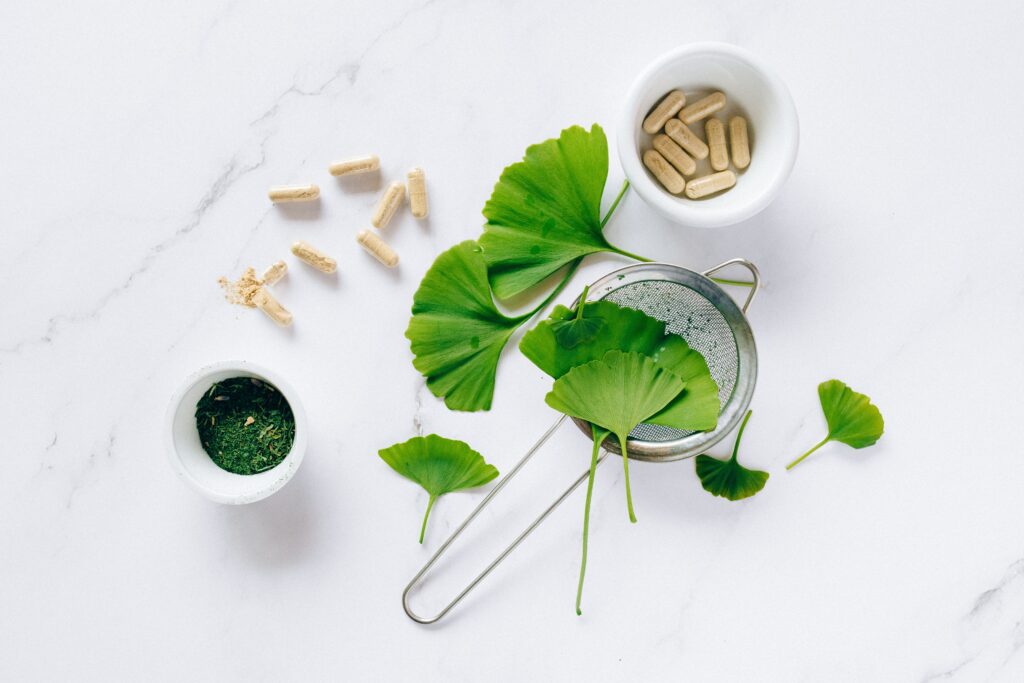
Organic supplements are becoming the go-to choice for health-conscious Kenyans. From Nairobi’s health food stores to online wellness communities, more people are leaving synthetic alternatives behind and reaching for products that are pure, potent, and trustworthy.
Table of Contents
ToggleThis shift is not just a trend. It reflects a growing awareness of what we put into our bodies — and a desire for products that work with the body, not against it.
But with so many options flooding the market, how do you separate genuine quality from clever marketing?
This guide explores why Kenyans are making the switch, what to look for when choosing organic supplements and natural supplements, and how to find products that truly deliver.
Why Kenyans Are Switching to Natural and Organic Supplements
The movement towards natural supplements and organic supplements is driven by several powerful forces.
Health Awareness Is Rising
Kenyans are more informed than ever. From social media influencers to wellness blogs, people are learning about the impact of synthetic additives, artificial fillers, and chemical residues on long-term health. There is a growing preference for products that come from nature — not a factory.
Concerns About Synthetic Additives
Many conventional supplements contain artificial colours, preservatives, binders, and synthetic nutrients that the body struggles to absorb. Consumers are rejecting these in favour of whole-food, plant-based alternatives that work with the body — not against it.
Local Availability Is Improving
Organic supplements are no longer hard to find. Companies like Springs Healthcare are growing and processing organic superfoods — like wheatgrass — right here in Kenya. This makes them more accessible, affordable, and fresher than imported alternatives.
Stronger Regulation Builds Trust
The Kenya Bureau of Standards (KEBS) has strengthened its oversight of supplements, giving consumers more confidence in certified products. Knowing that a product has been tested and approved adds a layer of trust that was missing a decade ago.
Urban Wellness Culture
In cities like Nairobi, Mombasa, and Kisumu, wellness has become a lifestyle. Natural supplements and organic supplements are now seen as part of preventive healthcare — a way to stay well, not just to treat illness.
The Key Benefits of Natural and Organic Supplements
What makes natural supplements and organic supplements better than their conventional counterparts? The answer lies in how they are grown, processed, and absorbed by your body.
No Synthetic Additives – What You See Is What You Get
Organic supplements are free from artificial colours, flavours, preservatives, and sweeteners. Many conventional supplements contain binders, fillers, and flow agents that serve no nutritional purpose — they are there to make manufacturing cheaper and easier.
When you choose organic, you are getting the nutrient — not the filler. This means fewer unnecessary chemicals entering your body and less work for your liver and kidneys to process and eliminate them.
Higher Nutrient Density – More Nutrition per Dose
Research suggests that organically grown plants often contain higher levels of certain nutrients, including antioxidants, Vitamin C, and phenolic compounds.
Why? When plants are not protected by synthetic pesticides and fertilisers, they are forced to produce more of their own natural defence compounds — many of which are exactly the nutrients that benefit human health. This means you get more nutritional value from every dose.
Better Absorption – Your Body Knows the Difference
Your body recognises and absorbs nutrients from whole-food sources more efficiently than synthetic isolates.
Example: Vitamin C from organic acerola cherry is accompanied by bioflavonoids and co-factors that enhance absorption. Synthetic Vitamin C (ascorbic acid) lacks these companions, meaning your body may excrete a significant portion before it can be used.
This is why many people report feeling a noticeable difference when switching from synthetic to whole-food-based supplements — their bodies are actually using what they consume.
No Harmful Chemical Residues – Reduce Your Toxic Load
Conventional farming uses chemical pesticides, herbicides, and fungicides that can remain in the final product. Over time, exposure to these residues can accumulate in your body and contribute to chronic inflammation, hormonal disruption, and other health concerns.
Organic supplements are grown without these chemicals, significantly reducing your overall toxic load. This is especially important for people who take supplements daily — the cumulative effect of chemical residues adds up.
Environmentally Sustainable – Better for the Planet
Organic farming supports soil health, water conservation, and biodiversity. It avoids synthetic fertilisers that can run off into waterways and disrupt ecosystems.
By choosing organic, you are not just investing in your own health — you are voting for a healthier planet. This is a growing concern for many Kenyans who are becoming more conscious of their environmental footprint.
Supports Local Farmers – Invest in Your Community
By choosing locally grown organic supplements, you support Kenyan farmers, reduce the carbon footprint of imported products, and invest in your community.
When you buy from companies like Springs Healthcare, you are supporting local agriculture, creating jobs, and helping to build a more resilient food system in Kenya. This is a powerful way to align your health choices with your values.
Better Taste and Quality – You Can Taste the Difference
Many people who switch to organic supplements notice a difference in taste and quality. Organic wheatgrass, for example, has a cleaner, fresher taste compared to conventionally grown alternatives. This is because it is grown in healthier soil and processed without chemical solvents.
Peace of Mind – You Know What You Are Taking
Perhaps the most overlooked benefit is peace of mind. When you choose organic, you are choosing transparency. You know that the product has been grown without synthetic chemicals, tested for purity, and produced with integrity.
This matters — especially when you are taking supplements to support your health, not to introduce new risks.
How to Choose the Right Natural or Organic Supplement in Kenya
Not all supplements are created equal. Here is a practical framework to help you choose wisely
1. Look for Certification
KEBS certification is your first indicator of quality. The Kenya Bureau of Standards tests products for purity, safety, and accurate labelling. Products with KEBS approval have been verified to meet national standards.
What to look for:
The KEBS logo on the label
A certificate of analysis available on request
Batch numbers and expiry dates clearly printed
Why it matters: Certification ensures that what is on the label matches what is in the bottle. It also verifies that the product has been tested for harmful contaminants like heavy metals, mould, and bacteria.
A note on imported supplements: Some imported products may not have KEBS certification. While they may be of high quality, you cannot be certain unless they have been independently tested. When in doubt, choose locally certified options.
2. Check the Sourcing
Where was the product grown? Locally grown supplements are often fresher and more nutrient-dense than imported products that have travelled thousands of kilometres.
What to look for:
“Grown in Kenya” or specific regions like Kikuyu, Kiambu, or Meru
Transparent sourcing information on the label or website
Harvest and processing dates (especially for fresh products like juice)
Why sourcing matters:
Freshness — Nutrients degrade over time. Locally sourced products are likely to be fresher.
Traceability — You can ask questions about farming practices, soil quality, and harvesting methods.
Supporting local — Choosing locally grown products strengthens Kenya’s agricultural economy.
What about imported supplements? Some imported supplements are excellent. However, without transparency about sourcing, you cannot be sure how long they have been in transit, how they were stored, or whether they were tested for local contaminants. If you choose imported, buy from trusted brands with verifiable quality standards.
3. Read the Ingredients
Organic does not automatically mean good — and natural does not always mean pure. The ingredient list tells you exactly what you are putting into your body.
What to look for:
| Good Sign | Why |
|---|---|
|
Single, recognisable ingredients |
You know exactly what you are getting |
|
Whole-food-based nutrients |
Better absorption and bioavailability |
|
Minimal fillers |
More nutrient per dose, less waste |
|
Clearly labelled added ingredients |
Transparency — you can make an informed choice |
What to watch out for:
| Caution Sign | Why |
|---|---|
|
Long lists of unfamiliar chemicals |
Hard to know what you are consuming |
|
Isolated synthetic nutrients |
Poorer absorption than whole-food sources |
|
Hidden sweeteners or vague terms |
“Natural flavours” can hide many things |
A Note on Added Flavours and Sugars: Added flavours and sugars are not a “red flag” if they are transparently labelled and intentionally included. The red flag is when they are hidden, unnecessary, or used to mask low-quality ingredients.
What to ask yourself:
Am I aware of what is added?
Does the added ingredient serve a purpose (taste, texture, preservation)?
Is it clearly listed, or hidden behind vague terms like “natural flavours”?
4. Know Your Source
Choose brands that are transparent about their farming and manufacturing processes. Companies like Springs Healthcare grow their own wheatgrass in Kikuyu, Kiambu and process it fresh on customer order — not in large factories with unknown origins.
Questions to ask the brand:
Where do you source your ingredients?
How do you process your products?
Do you test for contaminants?
Can I see your certificates?
How long does it take from harvest to delivery?
Why this matters: When a company grows its own ingredients, they control quality from soil to shelf. When they source from multiple suppliers, the quality can vary.
What to look for:
A clear “About Us” page with well detailed company details
Visible contact information and willingness to answer questions
5. Check the Expiry and Storage
A supplement is only as good as its freshness. Even the highest-quality ingredients degrade over time if not properly stored.
What to look for:
Expiry Date
Always check the expiry date before buying.
Fresher products retain more nutrients and potency.
For fresh products like juice, ask when it was produced.
Storage Instructions
Some products need refrigeration (like kefir and fresh juice).
Others should be stored in a cool, dry place away from sunlight.
Follow storage instructions to maintain potency and prevent spoilage.
Packaging Quality
Dark or opaque bottles protect light-sensitive nutrients (like Vitamin C and chlorophyll).
Resealable pouches help keep powder products fresh after opening.
Red flags:
No expiry date visible
Damaged or poorly sealed packaging
Products stored in direct sunlight or warm conditions
No storage instructions on the label
Why this matters:
Nutrients degrade over time — an expired supplement is ineffective.
Poor storage can lead to mould, oxidation, or bacterial contamination.
Even the best organic supplement is wasted if it has expired or been stored incorrectly.
At Springs Healthcare:
Fresh wheatgrass juice is processed on customer order — never stored in advance.
Kefir is delivered fresh and should be refrigerated.
Packaging is designed to protect nutrients and ensure freshness.
Common Natural and Organic Supplements in Kenya
Kenya is blessed with a rich variety of natural superfoods and organic supplements. Many of these have been used in traditional medicine for generations and are now being validated by modern science.
Below are some of the most popular and accessible options.
Wheatgrass
Wheatgrass is one of the most nutrient-dense plants on the planet. It is grown from the young shoots of the common wheat plant and harvested just before the wheat kernel forms — at the peak of its nutritional potency.
Nutritional profile:
Contains chlorophyll (often called “plant blood” due to its similarity to human hemoglobin)
Rich in vitamins A, C, E, and a full spectrum of B vitamins
Provides all eight essential amino acids — making it a complete protein source
Contains iron, magnesium, calcium, potassium, and selenium
Packed with digestive enzymes like protease and amylase
Key benefits:
Boosts immunity — stimulates white blood cell production
Supports detoxification — helps the liver flush out toxins
Increases energy — provides sustained nutrition without stimulants
Reduces inflammation — antioxidants help calm chronic inflammation
Supports gut health — acts as a prebiotic, feeding beneficial gut bacteria
How to take it:
Fresh juice — Most potent form, taken as a 30ml shot on an empty stomach
Powder — Convenient, up to 1 year shelf life, mix with water or smoothies
Capsules — No taste, easy for daily use
Where to find in Kenya: Springs Healthcare grows wheatgrass in Kikuyu, Kiambu. Available as fresh juice, powder, or capsules.
Moringa
Moringa is a drought-resistant tree native to Kenya and other parts of East Africa. Its leaves have been used in traditional medicine for centuries, and modern research has confirmed its exceptional nutritional value.
Nutritional profile:
Contains more Vitamin C than oranges
More calcium than milk
More iron than spinach
High in Vitamin A, potassium, and protein
Contains all nine essential amino acids
Rich in antioxidants like quercetin and chlorogenic acid
Key benefits:
Supports immune function — high in Vitamin C and antioxidants
Promotes energy and vitality — nutrient-dense leaves support overall health
Supports bone health — rich in calcium and magnesium
Helps regulate blood sugar — some studies suggest moringa can lower blood glucose levels
Anti-inflammatory — contains compounds that reduce inflammation
How to take it:
Powder — Mix into smoothies, juices, or sprinkle over food
Capsules — Convenient, no taste
Fresh leaves — Can be cooked like spinach
Availability in Kenya: Moringa grows wild in many parts of Kenya and is also commercially cultivated. Available in most health food stores.
Baobab
Baobab fruit powder is made from the fruit of the iconic baobab tree, found across Kenya and other parts of Africa. The fruit naturally dries on the tree, creating a nutrient-dense powder without any processing.
Nutritional profile:
Extremely high in Vitamin C — six times more than oranges
Rich in fibre — both soluble and insoluble
Contains calcium, potassium, and magnesium
High in antioxidants — including flavonoids and phenolic acids
Prebiotic fibre — supports gut health
Key benefits:
Supports digestion — high fibre content promotes healthy bowel movements
Boosts immunity — Vitamin C and antioxidants support immune function
Promotes glowing skin — Vitamin C supports collagen production
Supports heart health — potassium helps regulate blood pressure
Natural energy boost — nutrient-dense without sugar spikes
How to take it:
Powder — Mix into water, juice, smoothies, or sprinkle over yogurt
Capsules — Convenient for daily use
Availability in Kenya: Baobab trees are native to Kenya. Powder is available in health food stores and online.
Kefir
Kefir is a fermented milk drink rich in probiotics. It is made by fermenting milk with kefir grains — a symbiotic culture of bacteria and yeast. This creates a creamy, tangy beverage with significantly more probiotic diversity than regular yogurt.
Nutritional profile:
Contains 10+ live probiotic strains
Includes beneficial yeasts (like Saccharomyces cerevisiae)
High in protein and calcium
Contains B vitamins, magnesium, and phosphorus
Low in lactose — fermentation breaks down most lactose
Key benefits:
Supports gut health — 70-80% of your immune system is in your gut
Boosts immunity — probiotics enhance immune response
Supports digestion — reduces bloating and promotes regularity
Lactose-friendly — most lactose-intolerant people can tolerate kefir
Supports bone health — high in calcium and Vitamin K2
How to take it:
Drink 150ml daily on an empty stomach
Blend into smoothies
Pour over cereal or fruit
Availability in Kenya: Springs Healthcare produces Kefir Whole Cultured Milk — available in original (no added sugar) and flavoured options.
Spirulina
Spirulina is a blue-green algae that grows in freshwater lakes. It has been consumed for centuries in various cultures and is now recognised as one of the most nutrient-dense foods on earth.
Nutritional profile:
Contains 60-70% protein — more than beef or soy
Complete amino acid profile — all essential amino acids
Rich in B vitamins (especially B12)
Contains iron, calcium, and magnesium
High in antioxidants — phycocyanin gives spirulina its blue-green colour
Key benefits:
Supports immunity — stimulates natural killer cells
Reduces inflammation — powerful antioxidants protect cells
Boosts energy — nutrient-dense, supports mitochondrial function
Supports detoxification — binds to heavy metals and helps eliminate them
Supports muscle recovery — high protein content aids repair
How to take it:
Powder — Mix into smoothies, juice, or water
Capsules — Convenient, no taste
Tablets — Easy to take on the go
Availability in Kenya: Spirulina is cultivated in various parts of Kenya and is available in health food stores.
Where to Buy Trusted Natural and Organic Supplements in Kenya
If you are looking for trusted organic supplements in Kenya, Springs Healthcare is your answer.
We specialize in three core products:
Wheatgrass — Fresh juice, powder, and capsules
Kefir Milk — Whole cultured milk, original and flavoured
Kefir Yoghurt — Creamy, probiotic-rich yoghurt
WHY SPRINGS HEALTHCARE?
Locally grown — Our farm is in Kikuyu, Kiambu — fertile highlands ideal for wheatgrass and kefir production.
KEBS certified — Tested and certified by the Kenya Bureau of Standards.
Fresh on order — We harvest and process only when you order — never in advance.
PHD-backed — Our wheatgrass research papers document 13 cancer-fighting compounds.
Specialised expertise — We focus on wheatgrass, kefir milk, and kefir yoghurt. We do not try to be everything to everyone — we do what we do well.
Nationwide delivery — We serve Nairobi, Mombasa, Kisumu, and across Kenya.
OUR PRODUCTS:
Wheatgrass Products:
Fresh Wheatgrass Juice — Maximum potency, delivered in individual shot cups
BioMax Wheatgrass Powder — Convenient, up to 1 year shelf life
Wheatgrass Capsules — No taste, easy to swallow
Fresh Packed Wheatgrass — For home juicing
Wheatgrass Enriched Maize Flour — Healthy ugali and uji
Kefir Products:
Kefir Milk — Whole cultured milk, original and flavoured options
Kefir Yoghurt — Creamy, probiotic-rich yoghurt
ORDER DIRECTLY FROM US:
WhatsApp or Call: 0725404661
Delivery: Across Kenya
ACCESS OUR WHEATGRASS RESEARCH PAPERS HERE
Antidiabetic Properties, Safety, Aqueous Extracts, Triticum Aestivum,, Hordeum Vulgare, Urtica Massaica, Cynanchum Viminale, Rat Model. – PAPER 1
IN VIVO ANTIDIABETIC POTENTIAL AND SAFETY OF AQUEOUS EXTRACT OF TRITICUM AESTIVUM (WHEATGRASS). International Journal of Medicine and Pharmaceutical Science (IJMPS) ISSN (P): 2250-0049; ISSN(E): 2321-0095, Vol. 7, Issue 1, Feb 2017, 77-84 – PAPER 2
MORE READING FOR YOU
Frequently Asked Questions About Natural and Organic Supplements
What are the best natural supplements for arthritis?
Natural supplements for arthritis can help manage symptoms by reducing inflammation, supporting joint cartilage, and easing pain.
Supplements that may help:
Turmeric/curcumin — Reduces inflammation and joint pain through its active compound, curcumin. Best absorbed with black pepper.
Omega-3 fatty acids — Found in fish oil, these reduce morning stiffness and joint tenderness.
Ginger — Contains gingerol, which has anti-inflammatory properties similar to ibuprofen.
Glucosamine and chondroitin — Support cartilage health and may slow joint degeneration.
Wheatgrass — Rich in antioxidants that reduce inflammation and oxidative stress.
Important: Always consult your healthcare provider before starting any supplement for arthritis, especially if you are taking prescription medication.
What natural supplements for joint pain are available?
Several natural supplements for joint pain support joint health:
Glucosamine and chondroitin — Support cartilage health and may reduce joint degeneration
Omega-3 fatty acids — Reduce joint inflammation and stiffness
Turmeric/curcumin — Anti-inflammatory and antioxidant properties
Vitamin D — Supports bone and joint health; deficiency is linked to joint pain
Wheatgrass — Contains antioxidants that help reduce joint inflammation
MSM (Methylsulfonylmethane) — A sulphur compound that may support joint flexibility
What to look for: Quality matters. Choose products with clear labelling, third-party testing, and transparent sourcing.
What natural hair growth supplements actually work?
Natural hair growth supplements can help by providing essential nutrients that support hair follicles.
Supplements that may support hair growth:
Biotin — Supports keratin production, a key structural protein in hair
Collagen — Provides amino acids for hair structure and strength
Vitamin D — May help with hair follicle cycling
Zinc — Supports hair tissue growth and repair
Iron — Important for hair growth; deficiency is linked to hair loss
Wheatgrass — Contains iron, zinc, and Vitamin C — all of which support healthy hair growth
Important: Hair growth takes time. Supplements support the process — but results may take 3-6 months of consistent use.
What is an organic selenium supplement and why do I need it?
Organic selenium supplements provide a trace mineral that acts as a powerful antioxidant in the body. Selenium is essential for several critical functions.
Selenium supports:
Thyroid function — Selenium is necessary for thyroid hormone metabolism
Immune system health — Supports white blood cell function
Reproductive health — Important for sperm production and fertility
Protection against oxidative stress — Acts as an antioxidant, protecting cells from damage
Natural sources: Brazil nuts (very rich), fish, eggs, sunflower seeds, and organic selenium supplements.
Warning: Too much selenium can be toxic. Stick to recommended doses and consult your healthcare provider.
What natural supplements for high blood pressure are effective?
Natural supplements for high blood pressure have shown blood pressure-lowering effects in some studies.
Supplements that may help:
Potassium — Helps balance sodium levels and relax blood vessel walls
Magnesium — Supports blood vessel relaxation and helps regulate blood pressure
Omega-3 fatty acids — Reduce inflammation and support heart health
Coenzyme Q10 — May help reduce systolic blood pressure
Wheatgrass — Supports circulation and may help reduce blood pressure through its nutrient profile
Important: Never stop prescribed blood pressure medication without consulting your doctor. Supplements should be used alongside, not instead of, medical treatment.
What natural supplements for acid reflux are safe?
Natural supplements for acid reflux can help by soothing the digestive tract, reducing inflammation, and supporting healthy digestion.
Supplements that may help:
Ginger — Reduces inflammation and soothes the digestive tract
Slippery elm — Forms a protective coating in the stomach and oesophagus
Aloe vera — Reduces inflammation in the oesophagus
Probiotics — Support digestive health and may reduce reflux symptoms
DGL (deglycyrrhizinated licorice) — Helps protect the stomach lining
Lifestyle changes matter too: Eating smaller meals, avoiding triggers (spicy, fatty, acidic foods), and not lying down immediately after eating are all important.
What are the best natural libido boosting supplements for females?
Natural libido boosting supplements for females may help support sexual health by addressing stress, hormonal balance, and circulation.
Supplements that may support libido:
Ashwagandha — Reduces stress and supports hormone balance
Maca root — May support libido and stamina
Fenugreek — May support libido in women
Zinc — Essential for hormone production
Wheatgrass — Supports energy and circulation — which may indirectly support libido
Important: Libido is complex — influenced by hormones, stress, circulation, sleep, and emotional well-being. Supplements are one piece of the puzzle.
What natural testosterone supplements actually work?
Natural testosterone supplements like ashwagandha, zinc, and fenugreek may be helpful for some men. However, testosterone levels are complex — consult a healthcare provider before taking supplements specifically for testosterone.
Supplements that may support testosterone:
Ashwagandha — May support testosterone levels in some men
Zinc — Essential for testosterone production
Fenugreek — May support libido and testosterone
Wheatgrass — Contains zinc, which is essential for testosterone production. Scientific studies also suggest wheatgrass helps protect reproductive organs and support healthy testosterone levels.
Important: Testosterone levels are regulated by complex hormonal pathways. Supplements are not a substitute for medical evaluation.
What are the best natural menopause supplements?
Natural menopause supplements can help manage symptoms like hot flashes, mood changes, and sleep disturbances.
Wheatgrass and menopause:
Clinical research on wheatgrass in hyperlipidemic women found:
42% reduction in vasomotor symptoms (hot flashes)
33% reduction in somatic symptoms (physical symptoms)
50% reduction in psychological symptoms
Other natural menopause supplements:
Soy isoflavones — Phytoestrogens that may reduce hot flashes
Black cohosh — May help with hot flashes and mood
Magnesium — Supports sleep and mood regulation
Vitamin D and calcium — Important for bone health during and after menopause
Important: Menopause supplements can interact with medications. Always consult your healthcare provider before starting any new supplement.
What natural supplements for vaginal dryness are effective?
Natural supplements for vaginal dryness are a common search. Research has demonstrated that soy isoflavones — a type of phytoestrogen — can significantly relieve vaginal dryness in postmenopausal women.
What works:
Soy isoflavone supplements (60-150 mg daily) — Significant relief reported in clinical studies
Soy foods (tofu, soy milk, edamame) — May help with symptoms
Water-based lubricants — Effective for temporary relief during sexual activity
Vaginal moisturisers — Provide longer-lasting relief
Important: Vaginal dryness can also be caused by medications, breastfeeding, or certain health conditions. Always consult your healthcare provider.
Are there any natural supplements for bigger buttocks available?
No. Despite social media claims, there is no scientific evidence that any natural supplements for bigger buttocks exist
What organnic supplements can do:
Support firmer, healthier-looking skin through collagen production
Help reduce the appearance of cellulite in some cases
Support muscle recovery after exercise
What they cannot do:
Add fat or muscle specifically to your buttocks
Change your body’s natural fat distribution
Replace surgery, fillers, or weight training
The bottom line: If you want to build glute muscle, focus on strength training (squats, lunges, hip thrusts) and a balanced diet. Anyone claiming otherwise is making false promises.
What natural supplements for diabetes are safe?
Natural supplements for diabetes can support blood sugar management. However, they should never replace prescribed medication or insulin.
Supplements that can help:
Cinnamon — Improves insulin sensitivity and lowers fasting blood sugar
Chromium — Helps regulate blood sugar by improving insulin action
Alpha-lipoic acid — An antioxidant that reduces oxidative stress and supports nerve health
Berberine — Has been shown to lower blood sugar in clinical studies
Wheatgrass — Scientific studies demonstrate that wheatgrass supports blood sugar management through its influence on key glucose metabolic enzymes, including hexokinase and glucose-6-phosphate dehydrogenase (G6PD) . These enzymes play a crucial role in glucose oxidation and energy production. Wheatgrass helps restore normal enzyme activity, supports healthy insulin function, and improves glucose metabolism. The phenolic and flavonoid compounds in wheatgrass contribute to these beneficial effects.
Important: Natural supplements for diabetes should always be used under medical supervision. Never stop prescribed medication without consulting your doctor.
For more detailed scientific information, read our PHD research papers on wheatgrass and diabetes: By clicking on the links below.
ACCESS OUR WHEATGRASS RESEARCH PAPERS HERE
Antidiabetic Properties, Safety, Aqueous Extracts, Triticum Aestivum,, Hordeum Vulgare, Urtica Massaica, Cynanchum Viminale, Rat Model. – PAPER 1
IN VIVO ANTIDIABETIC POTENTIAL AND SAFETY OF AQUEOUS EXTRACT OF TRITICUM AESTIVUM (WHEATGRASS). International Journal of Medicine and Pharmaceutical Science (IJMPS) ISSN (P): 2250-0049; ISSN(E): 2321-0095, Vol. 7, Issue 1, Feb 2017, 77-84 – PAPER 2
Do organic supplements help with oxygen delivery in the blood?
Yes — some organic supplements support healthy oxygen delivery. Wheatgrass, in particular, is often called “green blood” because its chlorophyll molecule is structurally similar to human hemoglobin . The only difference is the central element — magnesium in chlorophyll, iron in hemoglobin.
How organic supplements like wheatgrass support oxygen delivery:
Chlorophyll’s structural similarity to hemoglobin — This similarity allows chlorophyll to support oxygen transport in the blood
Elevates hemoglobin content — Scientific literature reports that wheatgrass elevates blood hemoglobin content, which improves oxygen transport throughout the body
Clinical evidence — A study of 348 terminally ill cancer patients found that wheatgrass juice significantly improved hemoglobin levels (from 8 gm% to 9.6 gm%) after 6 months of consistent use
Supports circulation — By supporting blood quality and oxygen delivery, organic supplements like wheatgrass help oxygen reach all body tissues more effectively
Important: While organic supplements like wheatgrass support oxygen delivery, they are not a medical treatment for conditions like severe anemia or respiratory disorders. Always consult your healthcare provider before using supplements for any medical condition.
Are there natural supplements to last longer in bed?
Yes — some natural supplements may support sexual stamina and endurance by improving circulation, reducing stress, and supporting hormone balance.
Supplements that may help:
L-arginine — An amino acid that supports blood flow by increasing nitric oxide production
Ashwagandha — Reduces stress and supports sexual function
Zinc — Essential for testosterone production and reproductive health
- Maca root — Traditionally used to support libido, stamina, and energy in both men and women. Some studies suggest it may improve sexual desire and function, though research is still evolving
Wheatgrass + Maca formulation — At Springs Healthcare, we combine wheatgrass with maca root to support energy, circulation, and stamina. Wheatgrass provides concentrated nutrients that support blood quality and oxygen delivery, while maca is known for its traditional use in supporting libido and endurance. Together, they offer complementary support for sexual health and vitality
Are organic supplements worth the extra cost?
Yes — if quality matters to you. Organic supplements offer:
No synthetic pesticides or fertilisers — Reduced chemical load on your body
Better nutrient density — Higher levels of antioxidants and vitamins
Transparent sourcing — You know where it came from and how it was grown
Environmental sustainability — Supports healthier soil and biodiversity
The bottom line: You are paying for purity, transparency, and quality — not just a label.
Medical Disclaimer
This information is for educational purposes only and does not constitute medical advice. Always consult the healthcare providers at Springs Healthcare before adding supplements to your routine.
SPRINGS HEALTHCARE CONTACT NUMBER: 0725404661, Kikuyu, Kiambu county, Kenya