Natural Remedies for Gut Health – Traditional Kenyan Foods, Wheatgrass & Kefir
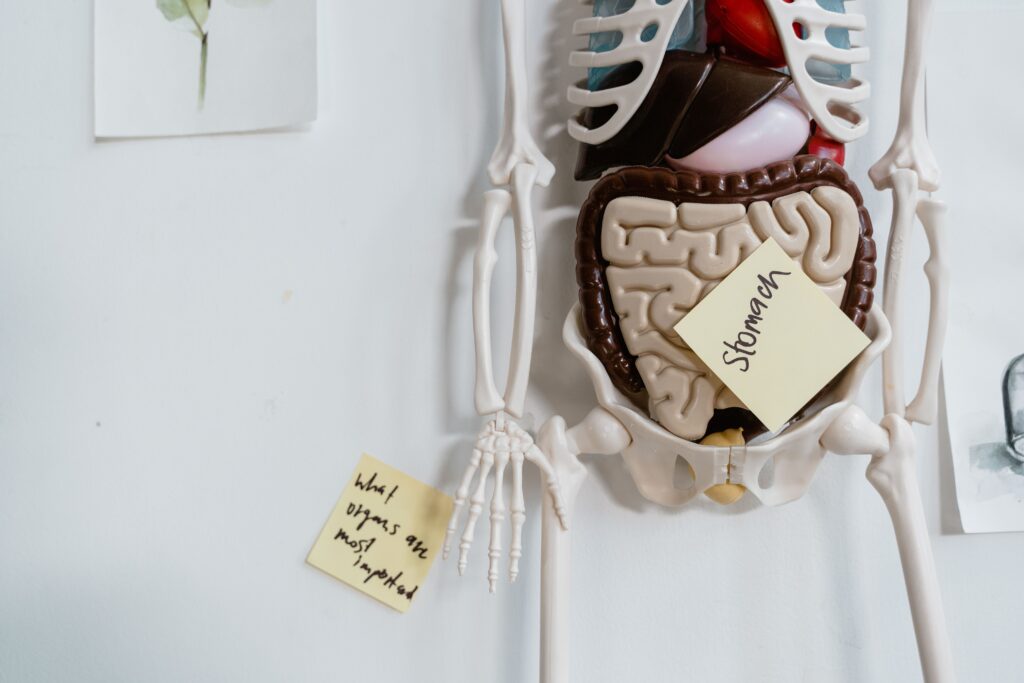
Your gut is more than just a digestive organ — it is the command centre for your overall health. Research shows that up to 70-80% of your immune system resides in your gut, making it essential for immunity, mood, and energy levels.
Table of Contents
ToggleIn Kenya, gut health challenges are significant. Current estimates show that nearly 30% of Kenyan children between six and 24 months exhibit abnormal intestinal permeability, commonly referred to as “leaky gut”.
The AWI-Gen 2 Microbiome Project, which sampled 1,801 women from Burkina Faso, Ghana, Kenya, and South Africa, found that geography has the strongest effect on gut microbiome variation, with urban populations showing significant loss of beneficial bacteria like Treponema and Bifidobacterium species.
But the solution may lie in the very foods and remedies that have been part of Kenyan culture for generations — from fermented milk products like mursik and kule naoto to modern superfoods like wheatgrass and kefir.
This guide explores natural remedies for gut health, drawing on both traditional wisdom and modern science.
Why Gut Health Matters
Your gut microbiome — the trillions of bacteria living in your digestive tract — plays a crucial role in:
Digestion and nutrient absorption — Breaking down food and extracting essential vitamins
Immune function — 70-80% of your immune cells are located in your gut
Mental health — The gut-brain axis influences mood, stress, and cognitive function
Inflammation control — A healthy gut reduces systemic inflammation
Weight management — Gut bacteria influence metabolism and fat storage
Gut health meaning is simple: it refers to the balance of microorganisms in your digestive tract and how well your gut functions to digest food, absorb nutrients, and protect against pathogens.
When your gut is out of balance, you may experience bloating, constipation, fatigue, skin issues, and even mood swings.
A landmark study of over 1,800 women across four African countries, including Kenya, confirmed that the gut microbiome is strongly shaped by geography, diet, and lifestyle. This means your gut is directly influenced by your environment and daily habits — reinforcing why looking after it is so important for your overall health.
Gut Health Home Remedies – Traditional and Modern Approaches
Kenya has a rich heritage of traditional Kenyan remedies for digestive health. Many of these traditional practices are now being validated by modern science.
Fermented Milk Products – Mursik, Kule Naoto, and Suusac
Fermented milk products are a cornerstone of traditional Kenyan diets, particularly among pastoral communities like the Maasai and Kalenjin. These products are naturally rich in probiotics — beneficial bacteria that support gut health .
Mursik is a traditional fermented drink prepared from cow’s milk in calabash gourds. The fermentation process takes two to three days, during which natural bacteria convert lactose into lactic acid, giving the drink its distinct tangy flavour.
Kule naoto — a fermented milk product from the Maasai community — contains Lactobacillus strains with powerful probiotic properties. Studies have shown that these strains demonstrate resistance to gastric juice and bile, adhere to gut tissues, and even express protective effects against DNA damage.
Suusac and amabere amaruranu are other traditional fermented milk products rich in Lactobacillus plantarum, Lactococcus lactis, and Saccharomyces cerevisiae — all beneficial for gut health .
Why they work:
Rich in probiotics that support gut microbiome diversity
Low lactose content makes them easier to digest
Contain bioactive compounds that boost immunity
A study on the traditional Sardinian fermented milk, casu axedu, revealed that fermented milk consumption significantly increased beneficial microbial taxa including Phascolarctobacterium, Prevotella, Blautia glucerasea, and Lactococcus lactis. The research also found reduced bacterial virulence factors and host inflammatory markers, suggesting that fermented milk consumption can have beneficial effects on gut mucosa health .
Fermented Cereal Porridges – Uji, Kirario, Kimere
Fermented uji is a thin gruel widely prepared from unblended or composite flours. The fermentation process, driven by lactic acid bacteria (primarily Lactobacillus plantarum), creates a probiotic-rich food that supports gut health.
Kirario, kimere, and ikii are variants of non-alcoholic cereal-based porridges that utilise wet-milling involving green maize as an ingredient. These foods contain water-soluble fibre, β-glucan, and oligosaccharides with prebiotic properties that feed beneficial gut bacteria.
Health benefits:
Supports reconstruction of normal intestinal microflora
Inhibits growth of harmful bacteria
Promotes good digestion
Boosts immune function
Increases resistance to infections
What the research says: A 12-week intervention study in 230 women found that daily consumption of fermented pickles (~50g/day) led to significant beneficial changes in gut microbiota diversity and reduced inflammatory markers, including white blood cells and platelets. Participants showed increased bacterial diversity and positive shifts in gut microbiome composition, with 25 bacterial taxa identified as markers of improved gut health .
Note: This study used fermented pickles, but the underlying principle — fermented foods support gut health — applies directly to traditional fermented uji.
Wheatgrass – A Prebiotic Powerhouse
Wheatgrass is scientifically confirmed as a prebiotic. Research published in the journal Vegetos demonstrated that wheatgrass fiber stimulates the growth of beneficial probiotic strains including Lactobacillus acidophilus, Lactobacillus rhamnosus, and Lactobacillus plantarum .
The study found that maximum growth of L. acidophilus was recorded in MRS broth containing 0.5% wheatgrass fiber, while maximum growth of L. rhamnosus was observed at 0.25% wheatgrass fiber . HPLC analysis of the wheatgrass extract revealed the presence of abscisic acid, chlorophyll a, chlorophyll b, chlorophyllin, apigenin, and rutin — all compounds conferring prebiotic potency and antimicrobial activity to wheatgrass .
How wheatgrass supports gut health:
Prebiotic fibre — Feeds beneficial gut bacteria and promotes their growth
Chlorophyll — Helps cleanse the digestive tract
Enzymes — Supports nutrient absorption
Antioxidants — Reduces inflammation in the gut lining
Antimicrobial activity — Exhibits activity against pathogens including Bacillus cereus, Streptococcus pneumoniae, Staphylococcus aureus, and Salmonella typhi
Where to find in Kenya: Springs Healthcare grows wheatgrass in Kikuyu, Kiambu — available as fresh juice, powder, or capsules.
ACCESS OUR WHEATGRASS RESEARCH PAPERS HERE
Antidiabetic Properties, Safety, Aqueous Extracts, Triticum Aestivum,, Hordeum Vulgare, Urtica Massaica, Cynanchum Viminale, Rat Model. – PAPER 1
IN VIVO ANTIDIABETIC POTENTIAL AND SAFETY OF AQUEOUS EXTRACT OF TRITICUM AESTIVUM (WHEATGRASS). International Journal of Medicine and Pharmaceutical Science (IJMPS) ISSN (P): 2250-0049; ISSN(E): 2321-0095, Vol. 7, Issue 1, Feb 2017, 77-84 – PAPER 2
Kefir – The Probiotic Powerhouse
Kefir is a rich source of gut-healthy probiotics — containing 10+ live probiotic strains and beneficial yeasts. It is significantly more potent than regular yoghurt.
How kefir supports gut health:
Supports the gut microbiome — 70-80% of your immune system is in your gut
Contains beneficial yeasts — Saccharomyces cerevisiae supports digestion and helps protect against harmful pathogens
Lactose-friendly — Most people with lactose intolerance tolerate kefir well
Reduces inflammation — Clinical studies have shown kefir consumption is associated with reduced bacterial virulence factors and host inflammatory markers
A 2024 study of 42 days found that people who drank fermented milk (like kefir) had better sleep, fewer health complaints, and improved gut bacteria. The study showed an increase in good bacteria (Bifidobacterium longum) and a decrease in bacteria linked to inflammation.
Where to find in Kenya: Springs Healthcare produces Kefir Whole Cultured Milk and Kefir Yoghurt — available in original and flavoured options.
Kombucha – The Fermented Tea
Gut-healthy kombucha is becoming increasingly popular in Kenya Kenya for its gut health benefits. It contains probiotics and organic acids that support digestion and immunity.
How kombucha supports gut health:
Contains live probiotics from the fermentation process
Rich in organic acids that support digestive health
Provides B-vitamins for energy and metabolism
Where to find in Kenya: Springs Healthcare produces high-quality kombucha — available in original and flavoured options.
How to Incorporate Gut-Friendly Foods into Your Daily Routine
| Food | How to Use | Benefits |
|---|---|---|
|
Wheatgrass juice |
Take 30ml on empty stomach daily |
Benefits |
|
Kefir |
Drink 100-200ml daily |
Probiotic powerhouse |
|
Kombucha |
Drink 100-150ml daily |
Probiotic, organic acids |
|
Uji |
Breakfast porridge |
Probiotic cereal |
|
Mursik/Suusac |
Traditional fermented milk |
Probiotic rich |
Where to Buy Natural Gut Health Products in Kenya
If you are looking to improve your gut health naturally, Springs Healthcare offers a complete prebiotic + probiotic solution:
Fresh Wheatgrass Juice — Prebiotic (feeds good bacteria)
BioMax Wheatgrass Powder — Prebiotic (feeds good bacteria)
Kefir Whole Cultured Milk — Probiotic (adds good bacteria)
Kefir Yoghurt — Probiotic (adds good bacteria)
Kombucha — Probiotic (adds good bacteria)
All products are grown and produced on our farm in Kikuyu, Kiambu — processed fresh on customer order.
WHY SPRINGS HEALTHCARE
Kenyan brand — Grown and processed locally
KEBS certified — Tested for purity and safety
Fresh on order — Never stored in advance
Nationwide delivery — We serve Nairobi, Mombasa, Kisumu, and across Kenya
Order Directly from Us:
WhatsApp: 0725404661
Delivery: Across Kenya
Frequently asked questions on natural remedies for gut health
What are the six signs that your gut is in trouble?
Common signs of gut issues include:
1. Digestive Discomfort – Bloating, gas, constipation, or diarrhoea. A 2025 systematic review of multiple studies found that an imbalance in gut bacteria is linked to inflammation and digestive issues. The study showed that people with gut imbalances often have lower levels of beneficial bacteria that produce important nutrients for the gut, and higher levels of bacteria that can trigger inflammation. This imbalance is associated with a range of digestive symptoms and overall health problems.eneficial bacteria .
2. Fatigue – Fatigue is a common sign that your gut may be out of balance. When your gut microbiome is disrupted — a condition called dysbiosis (imbalance in your gut microbiome) — it can affect the production of short-chain fatty acids (SCFAs) like butyrate, which play a key role in energy metabolism. A 2023 study published in Cell Host & Microbe analyzed 106 people with Chronic Fatigue Syndrome (ME/CFS) and 91 healthy controls. The study found that people with chronic fatigue had significantly lower levels of Faecalibacterium prausnitzii — a beneficial bacterium that produces butyrate. The abundance of this bacterium was inversely associated with fatigue severity, meaning the fewer of these beneficial bacteria a person had, the more severe their fatigue.
3. Food Sensitivities – New or worsening reactions to certain foods. Research shows that when your gut bacteria are out of balance, it can trigger inflammation throughout your body. This can make your gut lining more “leaky,” allowing food particles to enter your bloodstream where they don’t belong. Your immune system then reacts to these particles, which can lead to new or worsening reactions to foods you used to eat without problems. .
4. Mood Changes – Your gut and brain are constantly talking to each other through a connection called the gut-brain axis. This means the health of your digestive system can directly affect your mood and mental wellbeing. When your gut bacteria are out of balance(dysbiosis), it can trigger inflammation that affects your brain. On the other hand, a healthy gut with plenty of good bacteria can help keep your mood stable. A 2025 meta-analysis of multiple studies found that probiotics significantly reduced symptoms of mental health conditions like anxiety and depression. The review concluded that the gut microbiome plays an important role in mental health, and that probiotics can be an effective way to support emotional wellbeing.
5. Skin Issues – Acne, eczema, or unexplained rashes. Dysbiosis (imbalance of gut bacteria) triggers systemic inflammation through pro-inflammatory cytokines, contributing to skin inflammation .
6. Frequent Infections – Getting sick often due to compromised immunity. Imbalance of gut bacteria contributes to low immunity. Probiotics help strengthen the gut barrier, aid in the absorption of nutrients, and replace less beneficial or harmful microbes.
What are the 5 worst foods for gut health?
1. Processed Foods – Foods like sugary drinks, packaged snacks, instant noodles, and fast food are packed with artificial ingredients that can harm your gut bacteria. A 2025 study found that people who eat a lot of ultra-processed foods have less healthy gut bacteria. This means their guts produce fewer of the good substances (like short-chain fatty acids) that keep your digestive system working properly. The study also found that processed foods can disrupt your body’s energy and protein processing.
The bottom line? Eating less processed food and more fibre-rich foods is better for your gut health.
2. Sugar and Artificial Sweeteners – Excessive sugar feeds harmful bacteria and yeasts in your gut, while artificial sweeteners can disrupt your gut microbiome. A 2025 review of multiple studies found that non-nutritive sweeteners like aspartame, saccharin, and sucralose are linked to changes in gut bacteria. These changes can reduce beneficial bacteria and increase harmful ones, potentially leading to an imbalance known as dysbiosis. The review also noted that the World Health Organization has revised its stance on artificial sweeteners, recommending against their use for weight control due to links with increased risk of type 2 diabetes and cardiovascular disease.
3. Fried and Fatty Foods – Fuel for Gut Inflammation. A 2025 study found that a high-fat diet disrupts the gut microbiome, increasing harmful bacteria like Escherichia-Shigella and Helicobacter. This imbalance, combined with reduced mucus production and impaired gut barrier function, leads to more severe intestinal inflammation. The research concluded that dietary fat directly contributes to gut inflammation by disrupting microbial balance and damaging the protective gut lining.
4. Red Meat – Linked to Gut Inflammation. A 2025 meta-analysis of 18 studies involving over 1.3 million participants found that high red meat consumption is significantly associated with an increased risk of developing ulcerative colitis. The analysis showed a dose-response relationship, with each additional 100g of red meat per day raising the risk by 65%. The study authors noted that compounds in red meat can be metabolized by gut bacteria into substances that may promote inflammatory processes.
5. Alcohol – Disrupts Gut Bacteria and Damages the Gut Barrier. Alcohol can harm your gut by reducing the diversity of your gut bacteria and promoting harmful bacteria over beneficial ones. A 2025 meta-analysis of 17 studies found that people with alcohol-related liver disease had significantly lower levels of anti-inflammatory bacteria and higher levels of pro-inflammatory bacteria compared to healthy individuals.
How do you do a homemade gut cleanse?
You can support your gut at home by incorporating fermented foods, prebiotics, and lifestyle habits:
1. Stay Hydrated – Water supports digestion and nutrient absorption.
2. Eat Fermented Foods – Fermented foods like kefir, kombucha, and traditional Kenyan fermented milk (mursik, kule naoto) are rich in probiotics that support gut health. A 12-week study found that eating fermented pickles daily improved gut bacteria diversity and reduced inflammation markers. While this study used pickles, the same principle applies — fermented foods, in general, help support a healthy gut.
3. Consume Prebiotics – Feed your Good Gut Bacteria. Prebiotic foods contain plant fibers that feed healthy bacteria. These fibers are found in wheatgrass, oats, bananas, leafy greens, asparagus, onions, garlic, beans, and lentils. A 2026 study in Vegetos found that wheatgrass fiber boosted the growth of three beneficial probiotic strains: Lactobacillus acidophilus (best at 0.5% fiber), L. rhamnosus (best at 0.25% fiber), and L. plantarum. The study also identified compounds like chlorophyll, apigenin, and rutin that give wheatgrass its prebiotic and antimicrobial properties.
4. Drink Ginger Tea – Soothes Digestion. A 2023 clinical trial found that supplementing with ginger significantly improved common digestive issues. Participants taking ginger experienced notable reductions in constipation, nausea, bloating, and abdominal pain compared to those taking a placebo .
Try this: Steep 2 grams of fresh ginger in 150 ml of boiling water for 10 minutes to make a soothing cup of ginger tea.
5. Get Enough Sleep – Sleep supports gut repair and hormone balance.
Sleep is essential for maintaining a healthy gut. A 2026 systematic review of 41 studies found that sleep quality is linked to the types and functions of bacteria in your gut. The review noted that sleep patterns are associated with how your gut bacteria produce important substances like short-chain fatty acids, which are vital for gut repair and overall health. While short-term sleep loss may have a temporary effect, the review found that chronic sleep problems, like insomnia, are more consistently linked to reduced gut bacteria diversity.
Aim for: 7-9 hours of quality sleep per night to support your gut-brain connection and overall health.
6. Manage Stress – Stress can disrupt the gut-brain axis .
Your gut and brain are in constant communication through the gut-brain axis, and stress is a major disruptor of this system. Even a single stressful event can trigger changes in your gut environment that harm the specific bacteria responsible for producing protective substances.
What the research says:
A 2025 study found that acute stress alters the gut environment — releasing stress hormones that change gut pH, motility, and barrier function. These changes make it harder for beneficial bacteria like Faecalibacterium and Roseburia (the main producers of short-chain fatty acids) to thrive. As a result, the production of protective SCFAs — especially butyrate and acetate — rapidly drops. This weakens both the gut and brain barriers, potentially allowing harmful substances to pass through and trigger inflammation.
The good news is that you can take steps to manage stress and protect your gut health:
Immediate stress relief:
-
Deep breathing – Calms your nervous system and reduces the stress signal that leads to gut environment changes
-
A short walk – Gentle movement helps regulate the body’s stress response
Long-term resilience:
-
Eat a fibre-rich diet – Foods like onions, garlic, oats, and bananas feed the bacteria that produce SCFAs
-
Incorporate fermented foods – Kefir, kombucha, and yoghurt support a healthy, diverse microbiome
-
Prioritise sleep – 7-9 hours of quality sleep helps regulate your stress response system
-
Exercise regularly – Physical activity positively influences the gut microbiome and reduces stress
What are the 4 stages of gut healing?
While there is no universally agreed “4-stage” process, gut healing generally involves:
1. Remove – Identify and eliminate triggers (processed foods, allergens, stress). Studies show that diet plays a significant role in shaping the gut microbiome, and both long-term and short-term dietary interventions can effectively modulate gut microbial communities .
2. Restore – Add prebiotics and probiotics to support gut bacteria. A systematic review on non-pharmacological interventions found that probiotics, prebiotics, and synbiotics increased beneficial Bifidobacterium spp. in older adults . Polyphenol-rich diets also improved the gut barrier by reducing zonulin (a permeability marker) and inflammatory markers like CRP and IL-6 .
3. Repair – Support gut lining with nutrients like L-glutamine, zinc, and antioxidants. The Mediterranean diet, which emphasises fruits, vegetables, nuts, legumes, and whole grains, has been shown to increase gut microbiota diversity and reduce intestinal permeability .
4. Rebalance – Maintain a healthy lifestyle, diet, and gut-supporting habits. Research shows that addressing gut dysbiosis through diet and probiotics is recommended as adjunct therapy for various conditions .
What are signs your gut is healing?
Signs of gut healing include:
1. Improved Digestion – Less bloating, gas, and discomfort after meals. The fermented vegetables pilot study measures GI symptoms using a 10-symptom health questionnaire to track improvement .
2. Regular Bowel Movements – Consistent stool frequency and type. The Bristol Stool Scale (Types 3 and 4) indicates healthy digestion .
3. More Energy – Better nutrient absorption leads to increased vitality. Dysbiosis disrupts short-chain fatty acid production, which is essential for energy metabolism .
4. Clearer Skin – Reduced inflammation often improves skin health. The fermented pickle trial found decreased inflammatory markers including white blood cells, neutrophils, and platelets .
5. Better Mood – The gut-brain axis means a healthier gut supports emotional wellbeing. Both probiotics and SCFAs help regulate mood .
6. Fewer Food Sensitivities – Reduced reactions to foods that previously caused issues. A systematic review and meta-analysis found that healthy individuals showed significant improvement in defecation frequency within four weeks of consuming probiotic-enriched fermented milk
MORE READING FOR YOU
Medical Disclaimer
This information is for educational purposes only and does not constitute medical advice. Always consult the healthcare providers at Springs Healthcare before adding supplements to your routine.
SPRINGS HEALTHCARE CONTACT NUMBER: 0725404661, Kikuyu, Kiambu county, Kenya